Alvin Straight needed to reach his brother, 240 miles away in Wisconsin. He had no driver’s licence, and there was no one he would let drive him. What he had was a ride-on lawnmower.
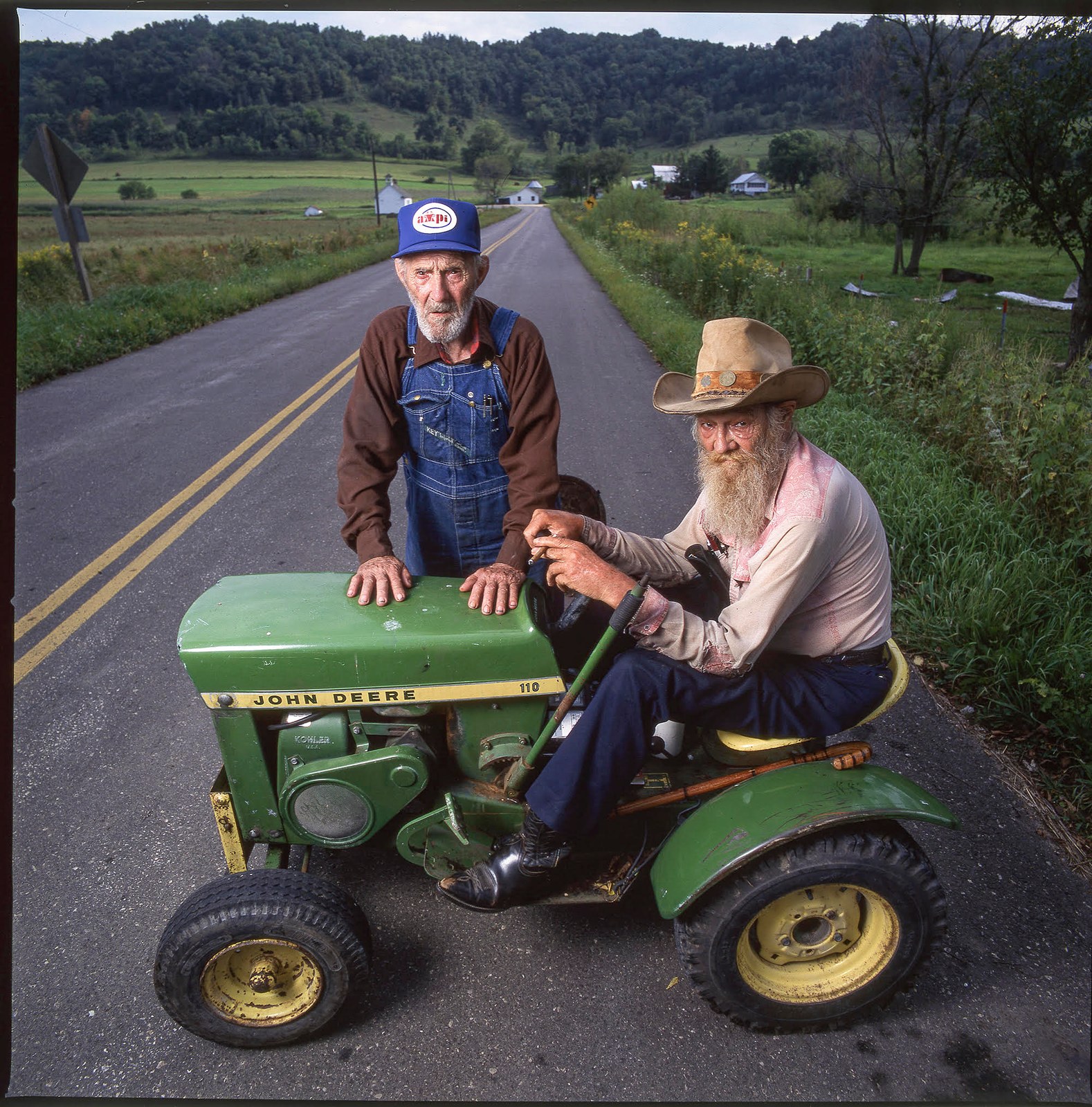
In the summer of 1994, a seventy-three-year-old man in Laurens, Iowa learned that his brother had suffered a stroke. Henry Straight was eighty, and he lived 240 miles away in Blue River, Wisconsin. The brothers had not spoken in about ten years. Nobody now living seems to know why, and they never said. Alvin Straight heard the news and decided to go and see him.
Alvin was a hard man to do anything for. A screenwriter who later spoke with him by phone called him “a tough old cob” who “would test you”: leery of help, leery of attention, but a smile in his voice. He was the kind of man who, handed a problem, wanted to solve it himself.
Alvin could not drive. His eyesight had gone, and the state of Iowa had taken his licence. He had diabetes, emphysema, and arthritis that kept him on two canes. Every ordinary way of covering 240 miles meant putting himself in someone else’s hands. A bus, a train, a lift from one of his children, a hired driver: each one depended on a person he would have to trust to carry him, and Alvin would not have it. He was too proud to take what he saw as a handout. Asked later why he would not just let someone fly him or put him on a train, he said: “They’re not going to put me in a plane or a box car to go to California or New York.” He would not be carried.
None of that was open to him. For most people, that is where it ends. Alvin looked instead at what he had.
He had a ride-on lawnmower and a homemade two-wheeled trailer. The mower was for cutting grass. He hitched the trailer, loaded it with gas cans, a camp stove, a foam mattress, some clothes and some food, and on the fifth of July he drove it out of Laurens, heading east. Twenty-five miles on, the engine gave out and he was towed home. So he bought a second-hand replacement, a 1966 John Deere with a top speed of five miles an hour, and set off again.
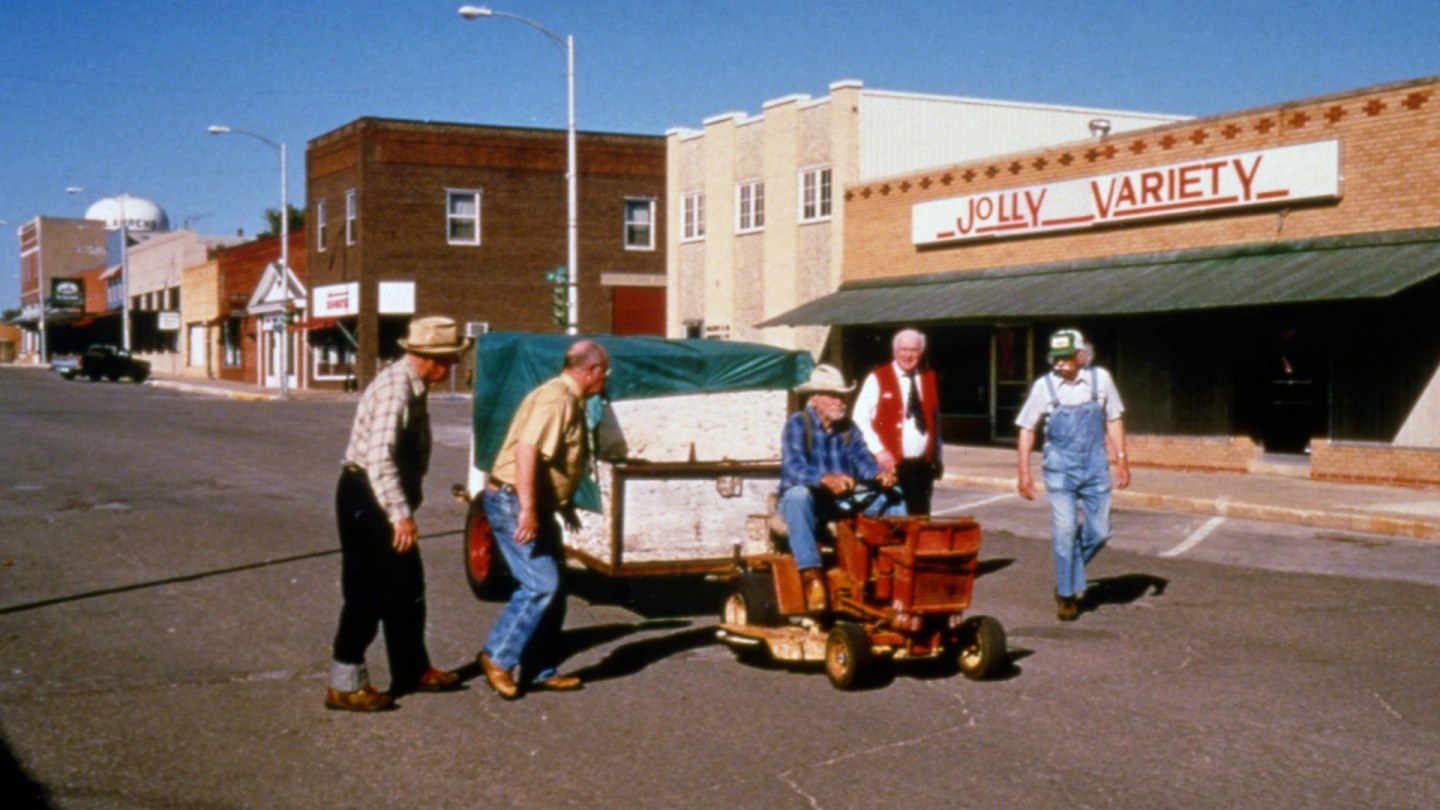
You may know how this goes, because David Lynch made a film of it in 1999. The image that survives is the one the film gave us, and the newspapers before it: the old man on the lawnmower, patient and absurd, puttering along the shoulder of the highway. It is a charming image, and the charm is a kind of trap. It files the lawnmower under absurd, and absurd is a way of not taking it seriously.
The lawnmower was not absurd. It was available.
The trip took six weeks. The mower broke down outside West Bend, and Alvin spent $250 on a condenser, plugs, a generator and a starter, and fitted them himself. He ran out of money in Charles City and camped there until his Social Security cheque caught up with him. He slept in the trailer. He cooked on the camp stove at the side of the road. Two miles from Henry’s house the mower broke down a final time, and a farmer stopped his pickup and helped push it the rest of the way. On the fifteenth of August, Alvin Straight reached his brother.
Then came the part the film leaves out. Henry recovered from the stroke, and he moved to be near Alvin and the rest of the family. The brothers had spent ten years not speaking. They got a little over two years instead.