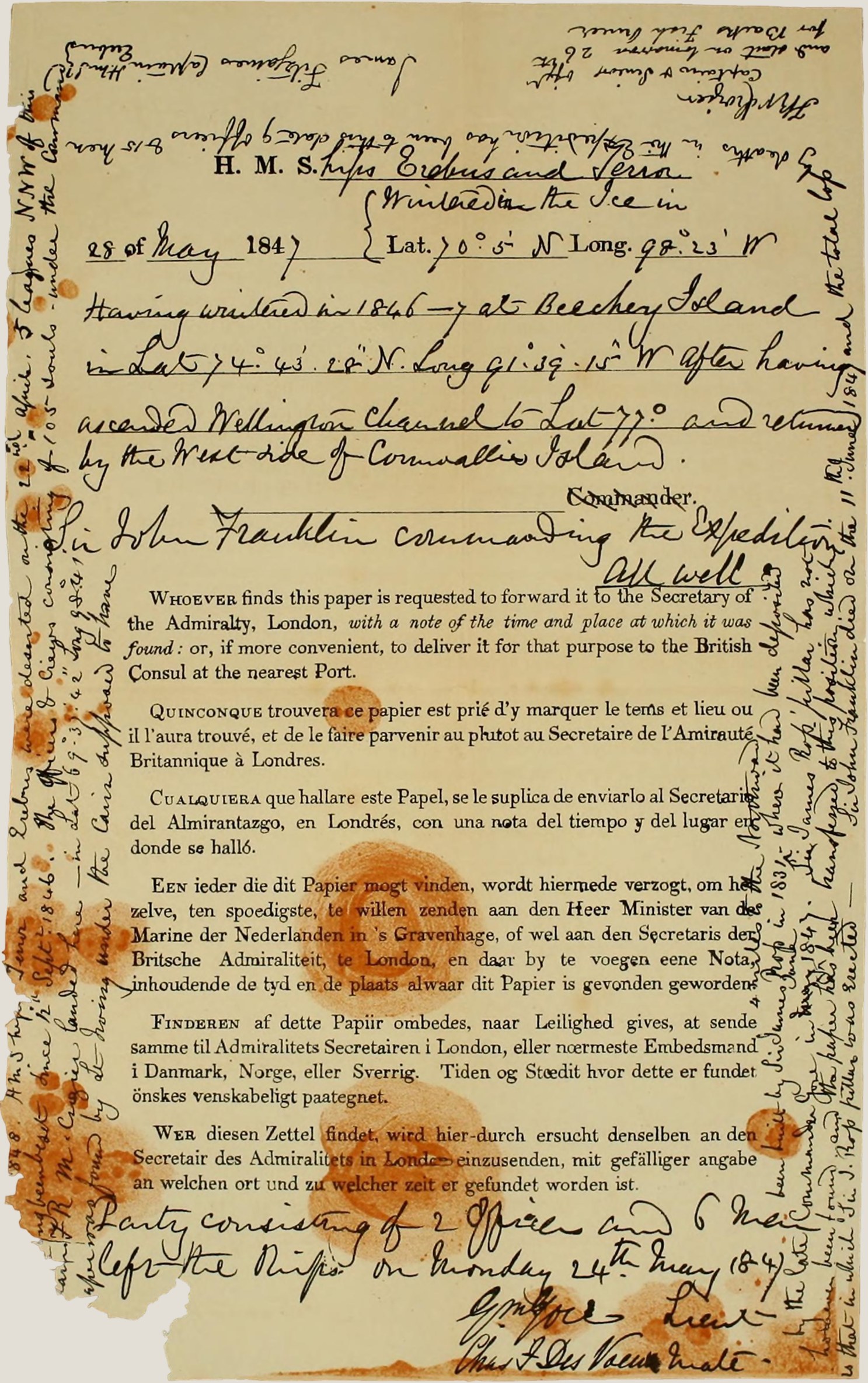
In the spring of 1859, on the west coast of King William Island, a search party prised open a stone cairn and found a single sheet of paper inside it. It had been written in two stages by men who were already dead by the time anyone read it.
The first message, dated 1847, reported that all was well. The second, added around the margins eleven months later, did not. It gave the date Sir John Franklin had died, the abandonment of the two ships held fast in the ice, and the decision of the survivors to walk south toward the mainland. Not one of them survived.
The officer who read it, Francis Leopold McClintock, wrote afterwards that so sad a tale was never told in fewer words. The single sheet has been known ever since as the Victory Point record, after the place on that coast where the note was found.
McClintock had reached the island in a small, privately owned ship called the Fox. The Royal Navy had not sent it; the Navy had decided, after more than a decade, that the matter was closed. Instead, the Fox had been sent by a woman of sixty-seven, sitting in a house in London, who had spent eleven years and most of her fortune refusing to give her husband up for dead.
Born restless
She had been born Jane Griffin in December 1791, the daughter of a wealthy London silk weaver who saw no reason to keep a clever girl at home. She read widely and seriously, and from her teens she travelled, across Britain and through Europe, filling notebook after notebook with everything she saw. A habit that never left her.
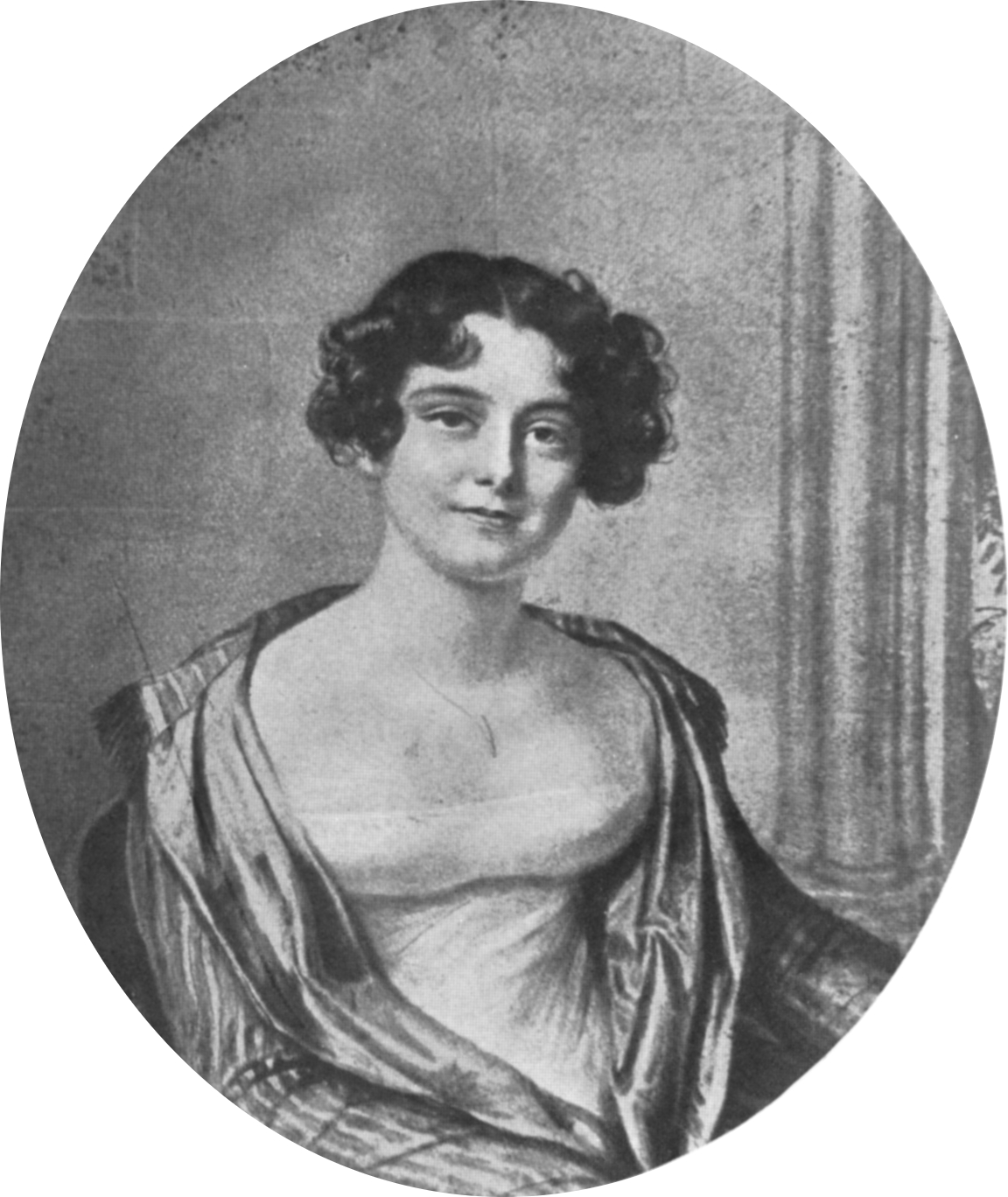
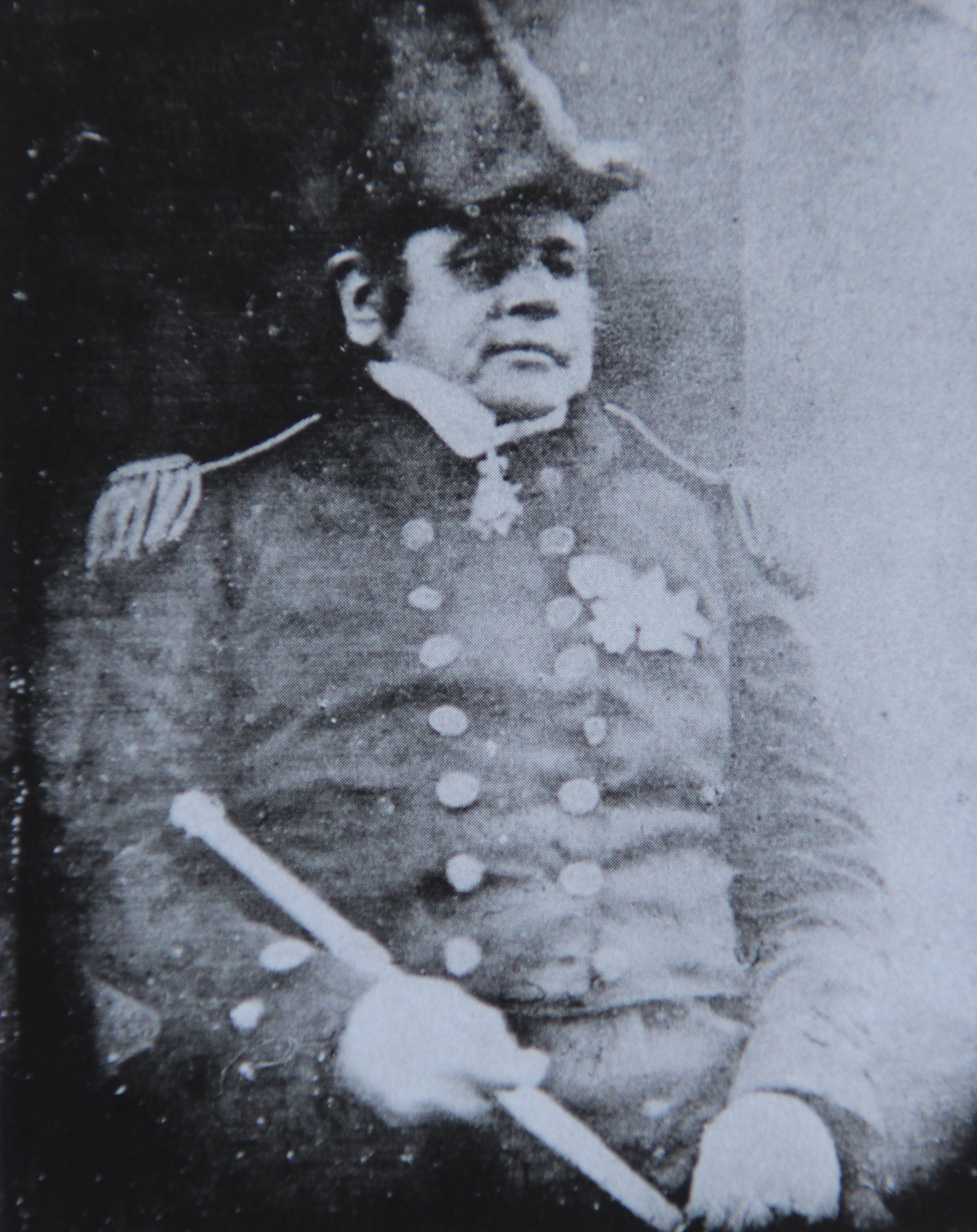
She did not marry until she was nearly thirty-seven, late for a woman of her time, and the man she married was famous. John Franklin was an Arctic explorer already known across Britain as the officer who had eaten his own boots on a starving overland march. He was kindly, well-liked, and ‘steady’ rather than brilliant. Jane was the sharper of the two, restless where he was settled, and the marriage did nothing to calm her. While he was stationed in the Mediterranean in the early 1830s, she went off on her own for weeks at a stretch, inland through Egypt and Syria and Asia Minor (Turkey), into country few Europeans and almost no European women had crossed.
When John Franklin was made Lieutenant-Governor of Van Diemen's Land, now Tasmania, and the couple sailed for Hobart, she carried on the same way. She became the first European woman to climb Mount Wellington. She crossed rough bush to the penal station at Macquarie Harbour. On the Australian mainland, in 1839, she travelled overland from Melbourne to Sydney, camping the whole way, almost certainly the first woman to do it. None of this was what a governor's wife was meant to do, and the colony said so.
A woman of her rank was expected to keep a household and a distance. Jane kept neither, and it was held against her. She went anyway.
The vanishing
The Franklins came home, and in May 1845 John sailed again, with two ships, the Erebus and the Terror, and 129 officers and men, to finish the charting of the Northwest Passage. They carried provisions for three years and equipment better than any Arctic expedition before them, including thousands of tins of food sealed with lead solder that would turn out to be part of what killed them. Whalers saw the ships in Baffin Bay that summer, waiting for the ice to open. After that, nothing.
What happened came out only later, in pieces, much of it from Jane's own searches. The ships were held fast off King William Island through two winters. Franklin died in June 1847. The survivors abandoned the vessels and walked. All died of cold, hunger, scurvy and lead poisoning from their tinned food. In London there was only the silence, one season after another, where letters should have been.
Eleven years
The Admiralty was slow to worry and slower to act. Jane was not. From 1848 she became the organising force behind the search for her husband, and she held that place for eleven years. She wrote to the Admiralty and to Parliament, to the President of the United States, to the Tsar of Russia. She offered rewards from her own pocket. She kept the lost expedition in front of the public until no government could be seen to give it up without cost. When official money ran out she spent her own, fitting out one searching ship after another. The little schooner Prince Albert went north on her account, came back with nothing, and went again.
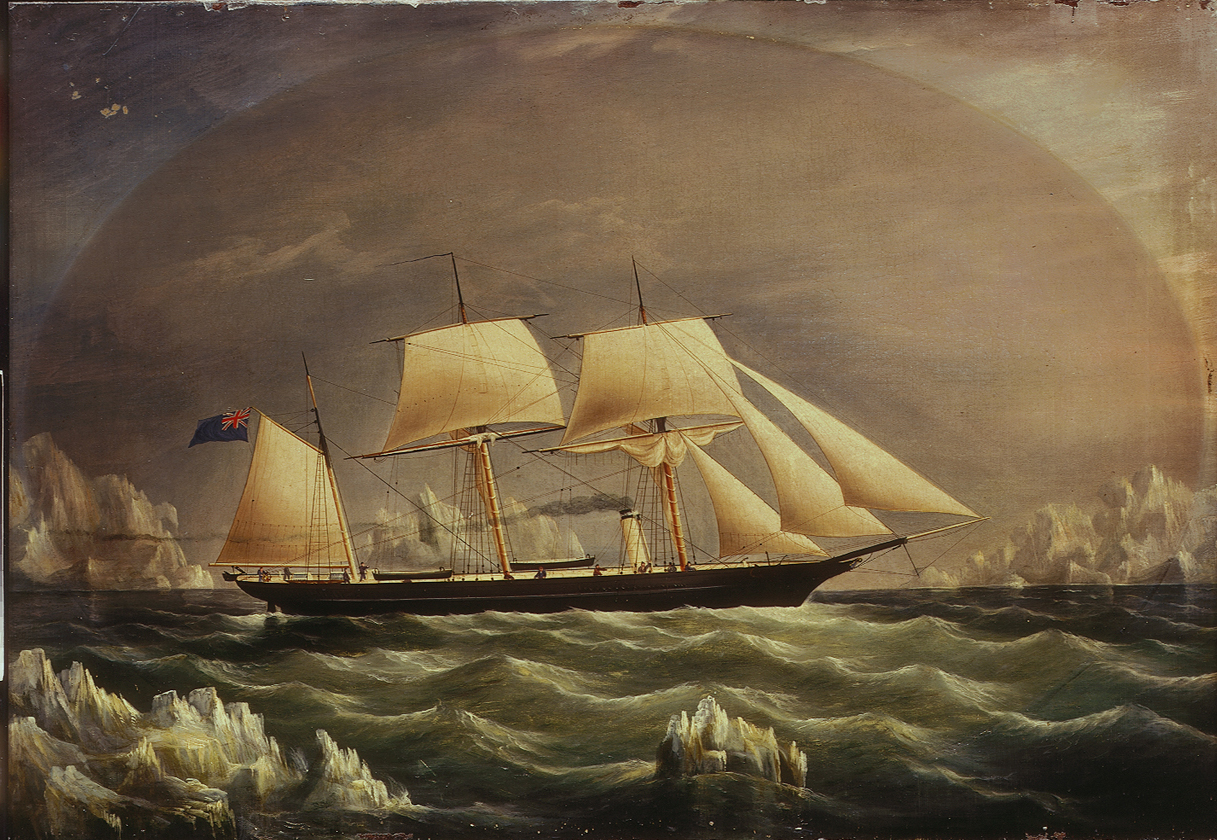
By 1857 the Navy had had enough and refused to send another ship. So she bought one. She spent close to eight thousand pounds of her own money on a steam yacht called the Fox, the larger part of what she had left. In today's money that is well over a million pounds. She found a captain in McClintock and sent the ship north herself. It was her vessel, not the Navy's, that reached King William Island, found the cairn, and brought home the date of her husband's death. For eleven years she had been told there was nothing left to find; she had refused to believe it, and she had been right.
Deemed unnatural
The same country that celebrated her for the search had spent years laughing at her. The appetite for travel that made her a heroine in her grief had made her a curiosity as a wife. A rebel, people called it unnatural. She was handed round drawing rooms as an object of fun, in some tellings a freak, a woman whose journeys ran wider and stranger than her famous husband's and who showed no sign of wanting to stop.
She knew exactly how she was seen. "I hope I shall never be talked of as one of your bold, clever, energetic women, fit for anything," she once wrote. "I am no doubt possessed of great energy and ardour, but I would rather hide than show it." She was not being modest; she had learned what it cost a woman to want things openly, and she wanted them anyway. She went on climbing and sailing and riding inland alone, and she never made herself smaller to be forgiven. Grief was the one feeling her century let a wife have without limit, so she poured hers into the search, where being relentless was allowed. It was enough to move the Navy.
In 1860 the Royal Geographical Society gave her its Founder's Gold Medal, the first it ever gave a woman. The citation thanked her for her devotion to her husband. It could not quite bring itself to say the truer thing: that she had out-organised the Admiralty and shamed it into looking. She never really stopped moving, travelling into her seventies, and when she died in London in 1875 her coffin was carried to the grave by six naval officers who had served in the search she had started. Maps of the Arctic she never saw still carries her name, on Lady Franklin Bay and Lady Franklin Point.
She was eighty-three when she died, and she had spent almost all of it on her own terms, in a country that never quite knew what to do with her. The search took eleven of those years. She could have made it a single season of public grief and then retired quietly into widowhood, and no one would have thought less of her. Instead she kept at it, ship after ship, long after the Admiralty had given up and her own money had run thin, until the Fox came home with the answer. Her name is on the map for one reason: she would not stop.