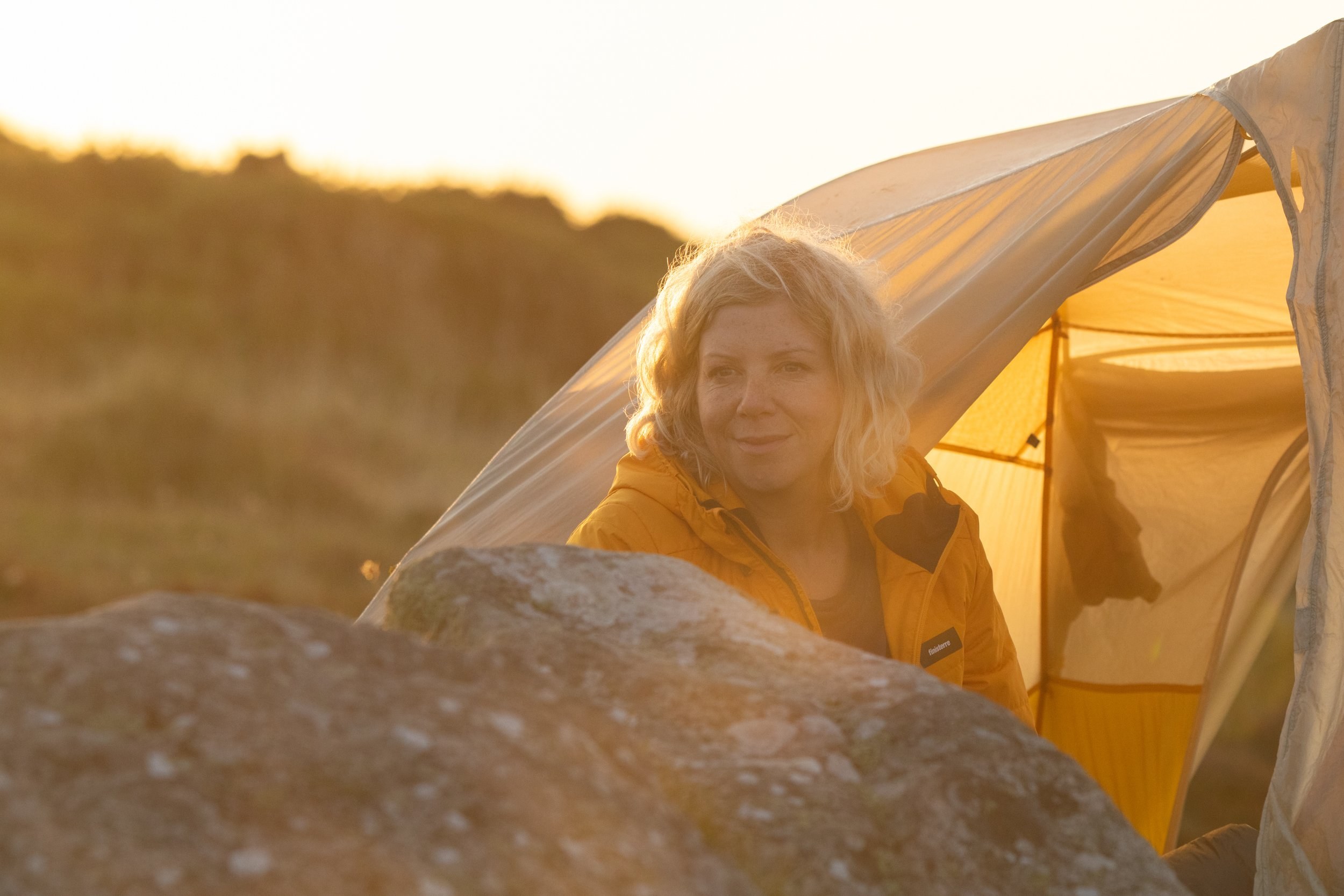
Told at fourteen that she would be in a wheelchair by 40, Gail Muller spent fifteen years inside chronic pain, found an explanation in northern Italy, and at 41 set out to walk 2,200 miles from Maine to Georgia.
For years, Gail Muller slept on a tin of tomatoes. She kept it under her hip because it was the only thing that pressed into the trigger point hard enough to let the muscle relax, and the muscle relaxing was worth half an hour of sleep. She was up every ten minutes through the night to stretch. Some nights she sobbed. In the morning she taught a full day of school, because the kids were waiting and she very rarely took a sick day.
She had been warned. Muller was born with feet that turned so far inward they spent her first year in casts, and as a teenager in Cornwall her walk still had a slap to it. When she was fourteen, an uncle paid for her to see a specialist in London, and the specialist was blunt: if she didn’t have her feet broken and reset, she would be in a wheelchair by the time she was forty.
It was a strange sentence to hand a child from her family. Her father and uncle were champion gig rowers. Her sister sailed for Great Britain and trialled for the Olympics. Gail rowed too, ran cross country, climbed trees, and helped her father in the garage wearing a miniature pair of his overalls with her name on them. She heard the prognosis, decided it belonged to some other, future person, and went back outside.
It found her in her early twenties: an ache in her hip and back that did not go away. She was teaching, rowing stroke for a gig crew with the World Championships on the Isles of Scilly ahead, running, in a relationship. A full life, and she meant to keep it. So she got through the days on ibuprofen and paracetamol and put off going to the doctor, feeling there must be people who needed them more. Everyone has a bad back, she was told, when she finally went. Try Pilates.
What followed took fifteen years. MRI scans that showed nothing much. Injections in her spine. Gabapentin, which she stopped after two weeks because it left her unable to drive and feeling like a zombie. Years inside a pain clinic, the place she calls the knackers’ yard, where you are sent when nobody knows what to do with you. She spent her teaching holidays searching on her own account: zero balancing, blue light, cold water, shamanic breath work, eleven days fasting in a jungle in Thailand. None of it held. The weight went on, the muscle tone went, the dancing stopped, the relationship ended. The job stayed. The job was the one place she still felt of use.
The cruellest part was the randomness. The pain would lift for a day, for no reason, then return for a week, for no reason. “It’s like your body’s gaslighting you,” she says. Was it the eggs at breakfast? The glass of wine? There was no pattern, which meant there was no believable story to tell other people. And she laughs easily, which she learned is held against you when you are invisibly ill. A woman seen laughing in a cafe cannot possibly be suffering, runs the logic, when the laughing might be the thing keeping her alive.
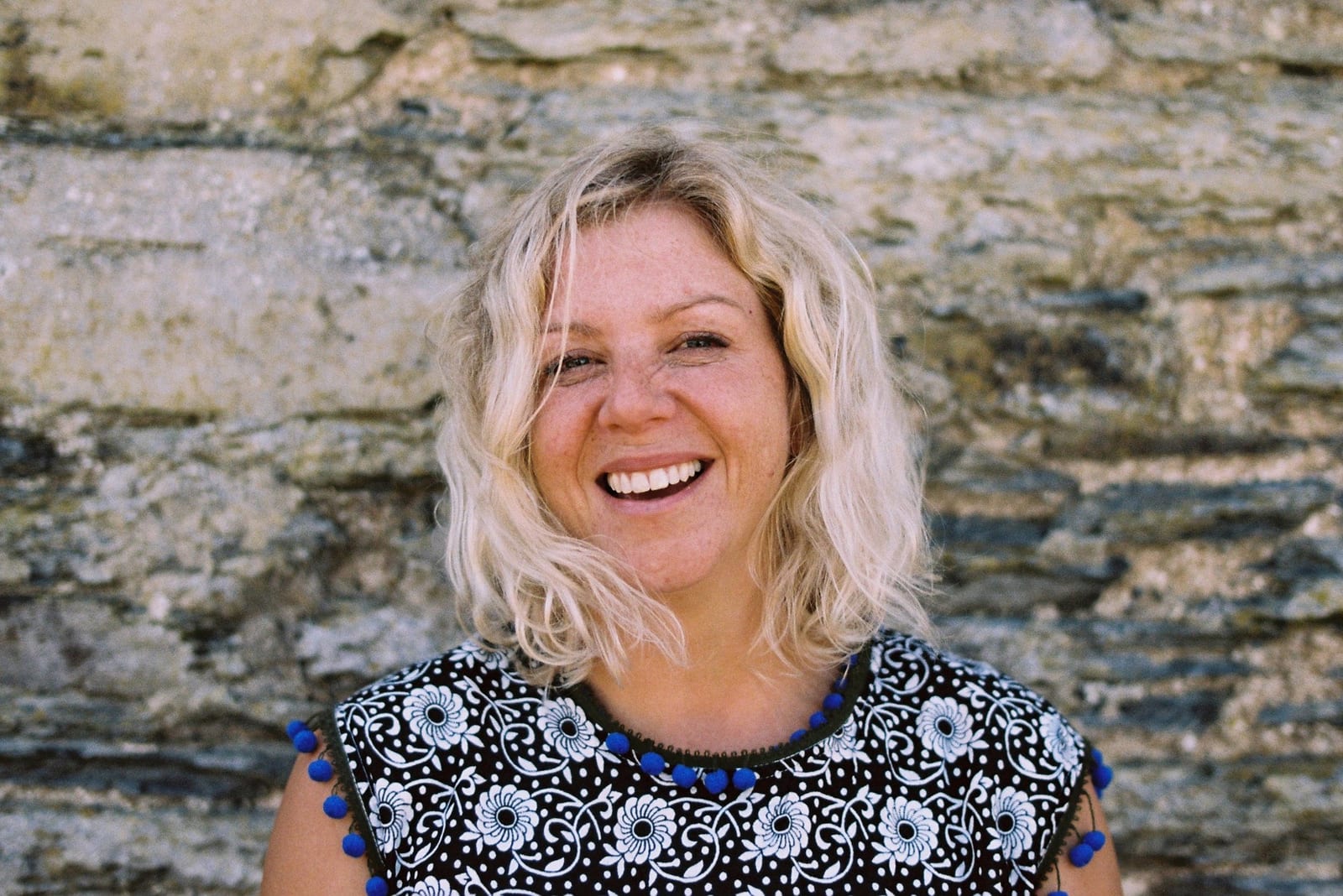
Then a practitioner at the pain clinic gave her the instruction that would, in a way he did not intend, organise the rest of her life. Accept it, he told her. Get a disability badge. Prepare to lose your job. And stop hoping, because you cannot have acceptance and hope at the same time. There is no magic cure, and we do not know what is wrong with you.
She refused. Not the acceptance: the trade. “You can accept things and not have to give up hope,” she says. “You can accept where you are and always hope it can be better.” It has since become the foundation stone of everything she teaches. At the time it was just a sentence she would not hand over.
It nearly wasn’t enough. Seconded to a European Commission school in Varese, in the Italian lakes, she moved out alone, telling herself a fresh start was what the pain needed. Instead it was the worst stretch of her life. After days without sleep, vomiting from pain, she sat on her balcony at two in the morning and shuffled to the edge. She didn’t want to die, she has said since. She wanted to turn the pain off, and to stop being the person her family worried about. What pulled her back was them: her mum, her dad, her sister. One more day.
On that balcony she remembered a card her chiropractor at home had pressed on her before she left. A name, a number, a note: saw this man at a conference, he’s good, he’s near where you’re going. She left a voicemail in broken Italian in the middle of the night, snotty and heaving. The answer came back the next morning: come in today.
The man in Como watched how she moved. Then he and his wife, a dentist, scanned her head. What they offered was nothing any hospital had suggested in fifteen years. Her jaw was misaligned. The bite was skewing her vision and her balance, and her whole body was holding itself in a slight permanent twist, muscles spasming to correct a fault they could never reach. She burst into tears. Fifteen years, and this was the first explanation that made sense of her.
The fix was not surgery, and it was not quick. Braces, a bite plate, two years of having her jaw realigned millimetre by millimetre, and the rebalancing put her body through turmoil before it gave anything back. Around the eighteen-month mark the pain began to recede. By her account the treatment unwound about eighty per cent of it. Her hip bones lay flat on the bed for the first time in years. Her shoulders stopped twisting. She kept waiting for her body to say, get back in bed, you’re broken. It didn’t.
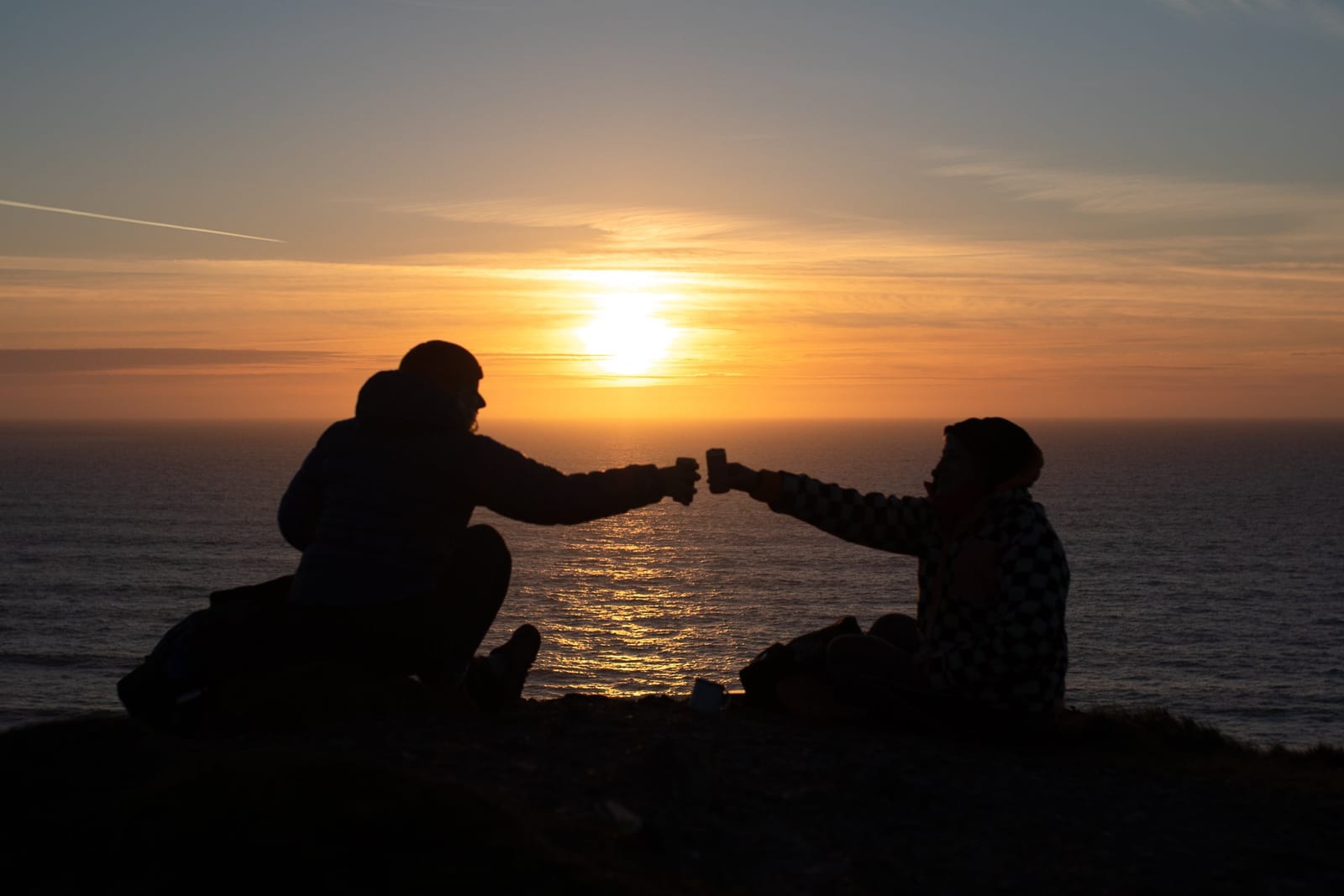
What she did next was deliberately small. She went home to Cornwall for a summer and asked two local trainers to help her learn to trust a body she had spent fifteen years guarding. Remote sessions first, then weights, then short runs. A 5K. A mini mud run with her girlfriends, her family at the finish line cheering like she had won an Olympic medal. There was no montage. There was a programme, kept to, week after week, until the strength was real.
Then, at forty-one, she put the strength to work. At nineteen, on a train, she had read Bill Bryson’s book about the Appalachian Trail and filed the trail away with the impossible things. Now she flew from London to Maine, walked out of Katahdin Stream Campground, and turned south. Southbound is the hard direction: the brutal terrain first, fewer people, winter waiting at the far end. She chose it on purpose. Me and my body, who’s now my best mate, she said, will do it the hard way.
The deadline she had been given at fourteen had already expired, unmet.
The walk took seven months, and it was not unbroken. In Pennsylvania the rocks got her foot. A Virginia hospital X-rayed it, found no break, warned her that X-rays often miss stress fractures, charged her $1,200 and sent her on with anti-inflammatories. She hiked Virginia’s Triple Crown on it in what she called silent agony, bought stiffer shoes to hide the limp, hiked alone so nobody would see her cry, and then accepted at Pearisburg that the jig was up. On her last day she passed a mother bear and two cubs in the woods, stopped for an hour to watch them play, and took it as the trail’s parting gift.
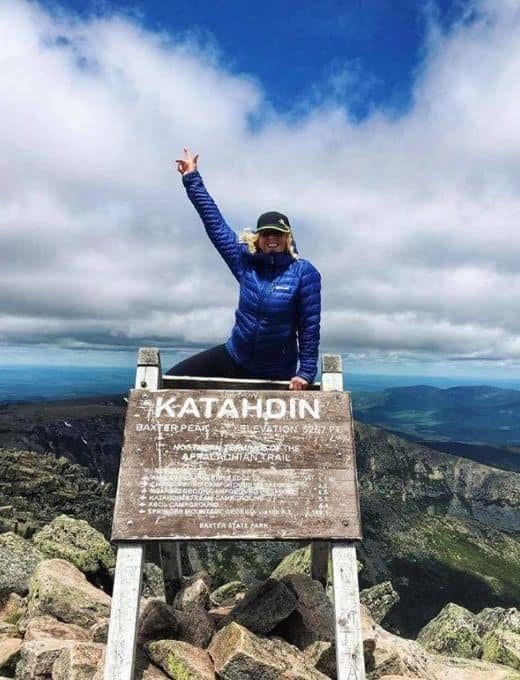
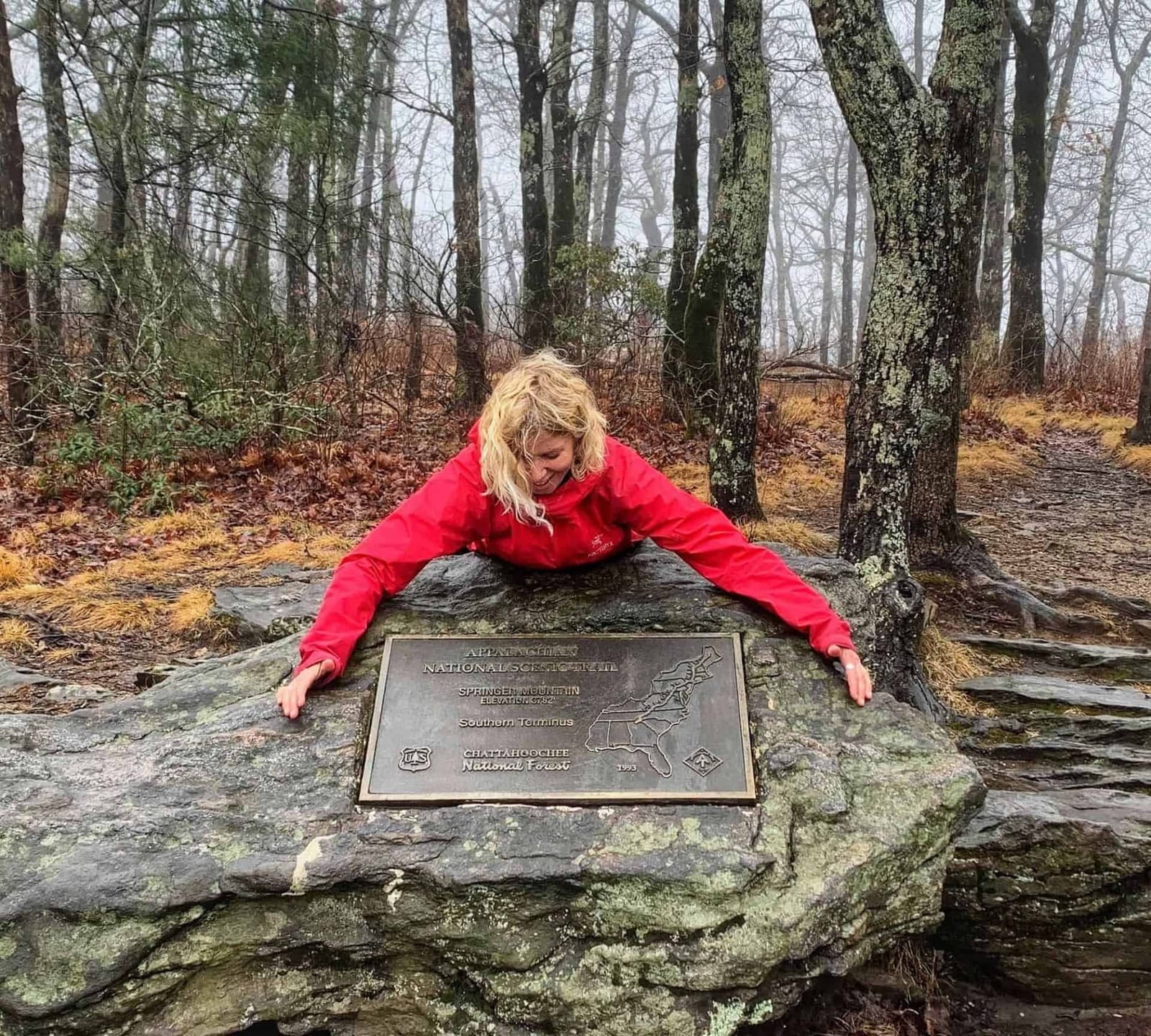
She flew home, rested for two and a half weeks under a diagnosis of tendinitis, kept a promise to trek in the Himalayas with the breast cancer charity CoppaFeel, and flew straight back to the trail to finish. Scans later showed what the X-rays had missed. She had covered the last 850 miles, down to the December snow in Georgia, on two broken bones in her foot.
Somewhere in the middle she also ran out of the codeine she had quietly carried for fifteen years and came off it cold turkey, in the woods, mid-hike, which is how she found out she had been dependent on it at all. A blizzard closed a section of the Smoky Mountains and she had to leave it undone; she still talks about going back for those miles, the way other people talk about a standing errand.
She did not write up the finish as a victory. “I wasn’t fixed, mended and repaired,” she wrote in Unlost. “I was simply forgiven. By the forests, the people, and by the trail that had absorbed my tears of joy and sorrow for over 2,000 miles.”
Being forgiven did not make her a finisher of everything. In 2021 she set off down the Continental Divide Trail and stepped off it when the thirty-mile days turned the wilderness into a conveyor belt; she wanted to sit by lakes and watch for moose, and the schedule didn’t. She is still scared of camping alone, and says so in public, on purpose. She wrote a book about the trail, Unlost, and then a small book called Do Hope. Late diagnoses of ADHD and autism have since added their own explanations, and she writes about those too. These days she runs writing and walking retreats on the Cornish coast where she started, teaching the thing the pain clinic told her was a contradiction. Her name for it now is determined joy.
Because that is the actual story. Not the trail: the sentence. You can accept exactly where you are and still hope it can be better, and hold both for fifteen years if you have to.