In September 2025, Kilian Jornet climbed fifty-six of Colorado's fifty-eight fourteen-thousand-foot peaks in sixteen days. The story is in the two he did not climb.
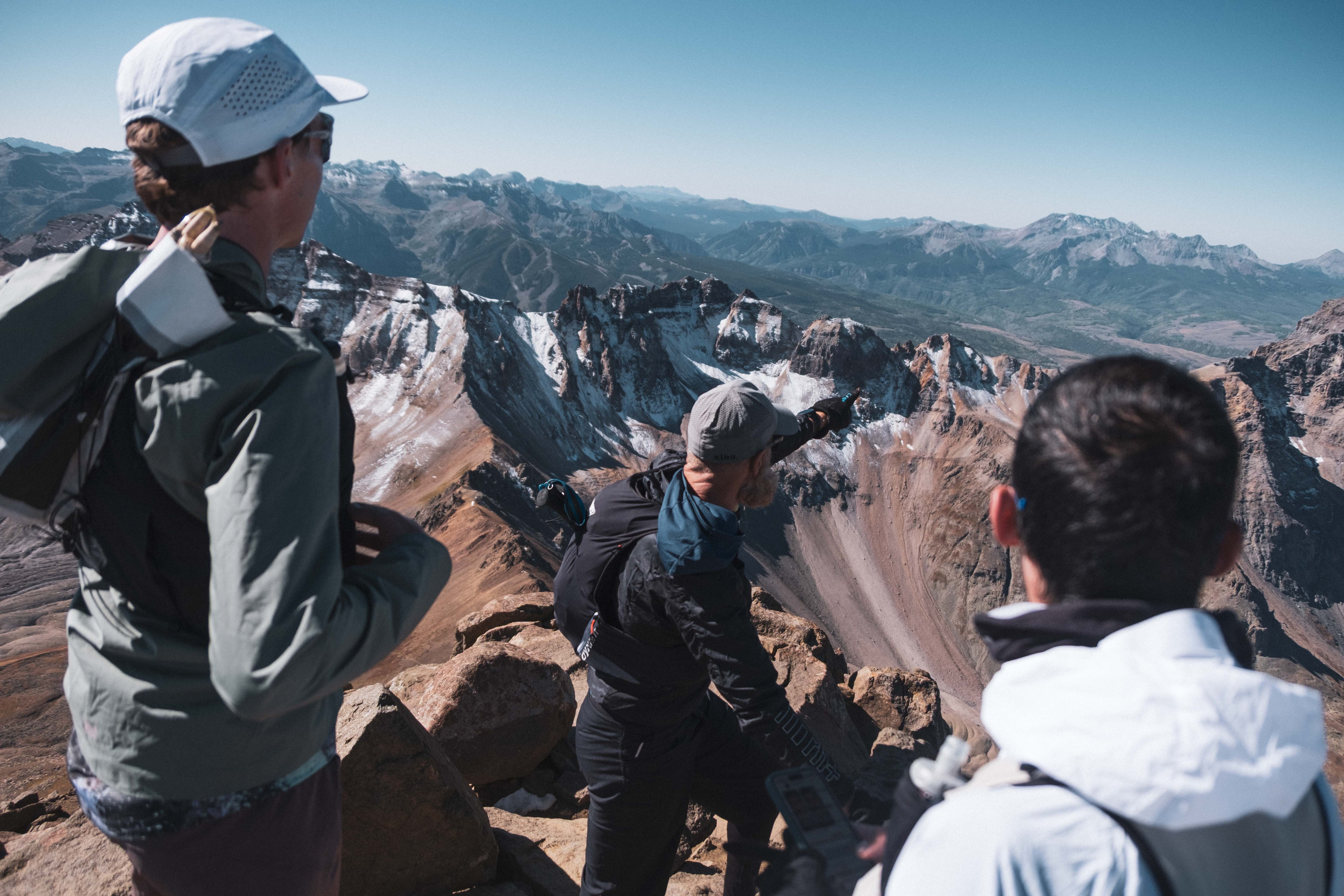
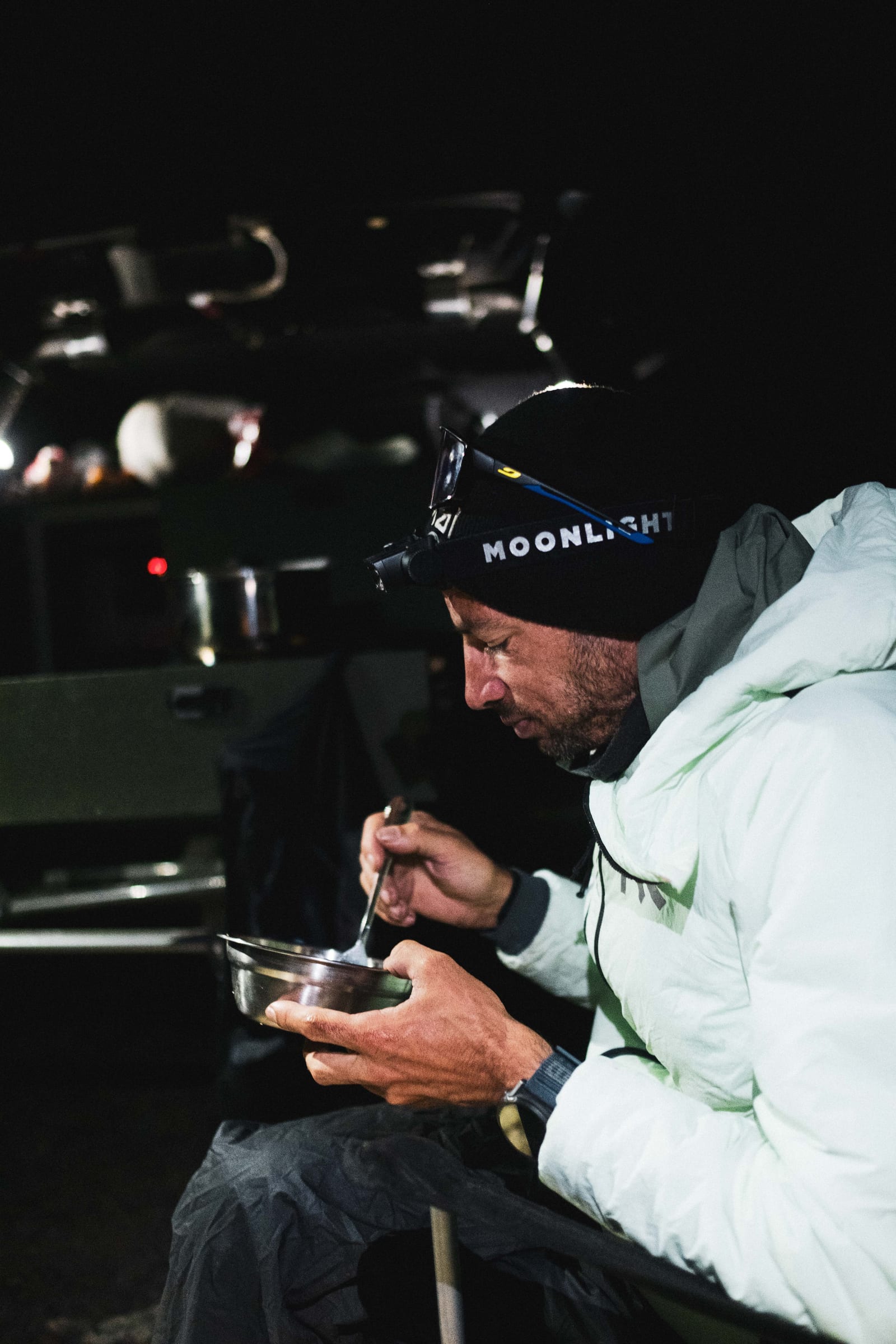
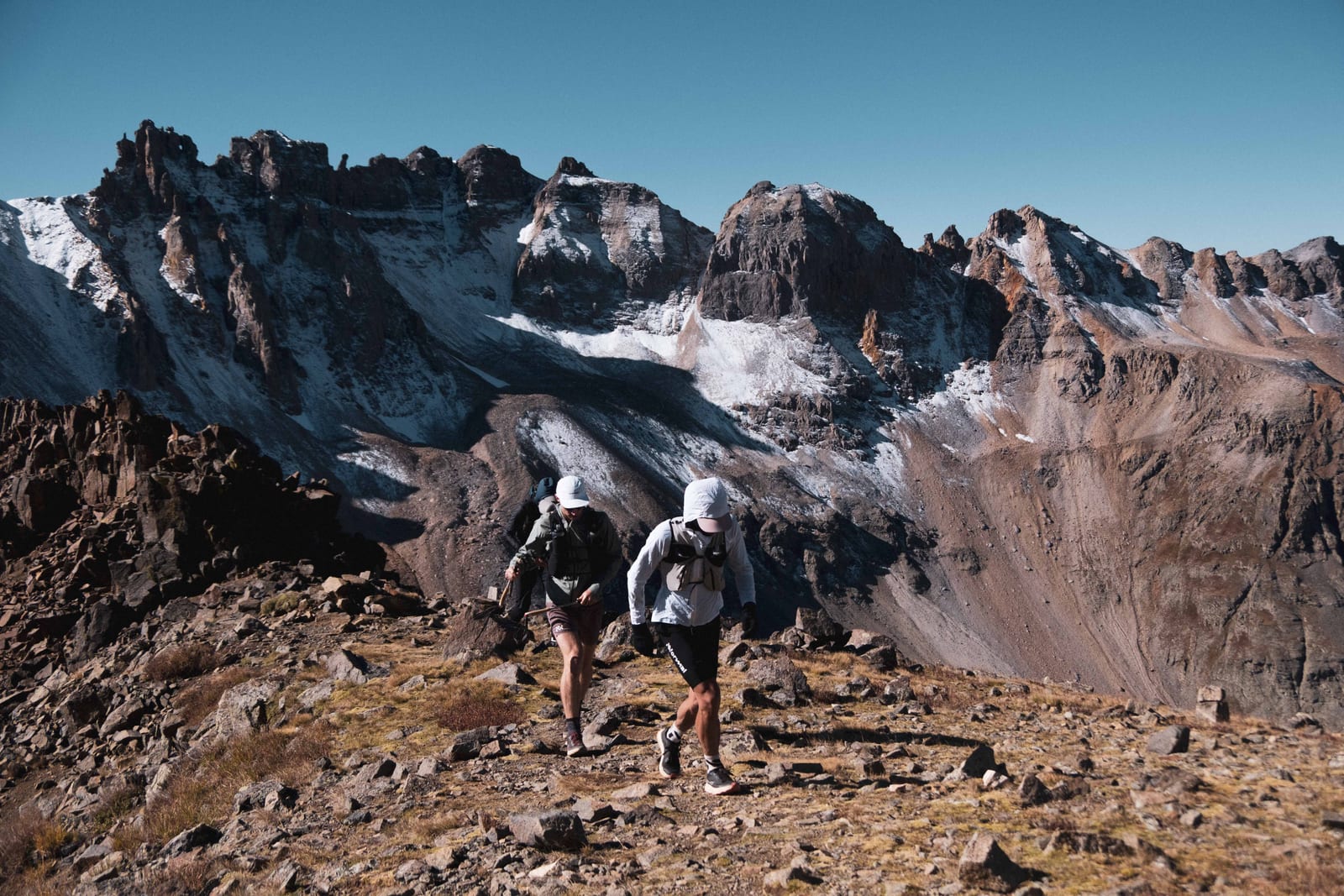
On the eighteenth of September 2025, on his last full day in the Colorado mountains, Kilian Jornet ran out of food. He was high on Windom Peak, in the Chicago Basin, about as far from a road as it is possible to get in Colorado. Windom is one of the four most remote fourteeners in the state, and Jornet was climbing all four of them in a day, with the runner Dakota Jones alongside him. To reach the basin that morning he had ridden a gravel bike to a trailhead and then run for nearly four hours simply to arrive at the foot of the climbing. It was the third evening in a row he would watch the sun set from a summit. Somewhere on Windom's slopes, with hours of work still ahead, his last snack ran out. Then a runner appeared. A stranger, out there for his own reasons, who happened to be carrying a Snickers bar. He shared it. And then, in no apparent hurry to be anywhere else, he fell in alongside and stayed for more than two hours.
It is a small thing, easy to read straight past. Hold onto it anyway. By the end of this, it will be the part that matters most.
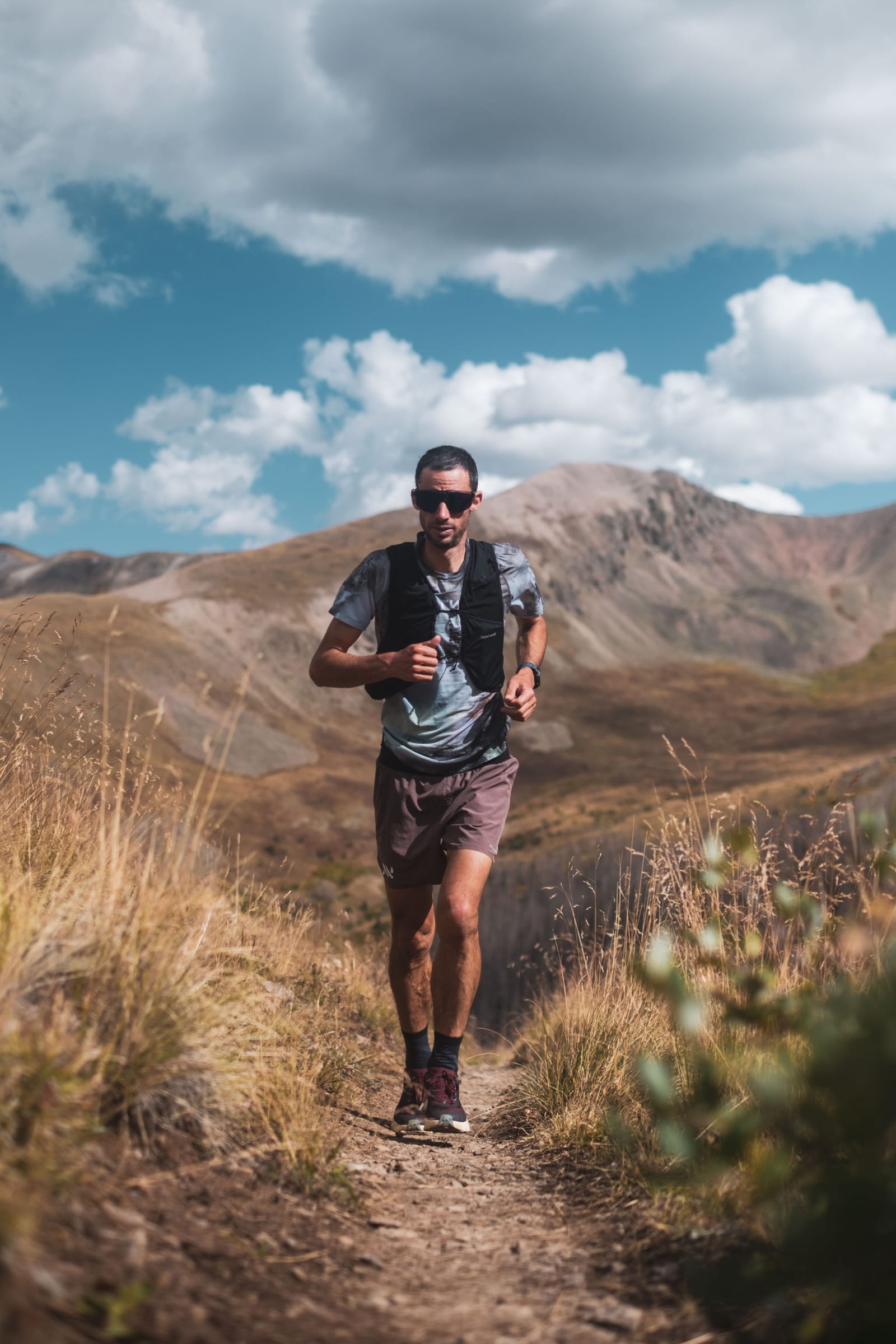
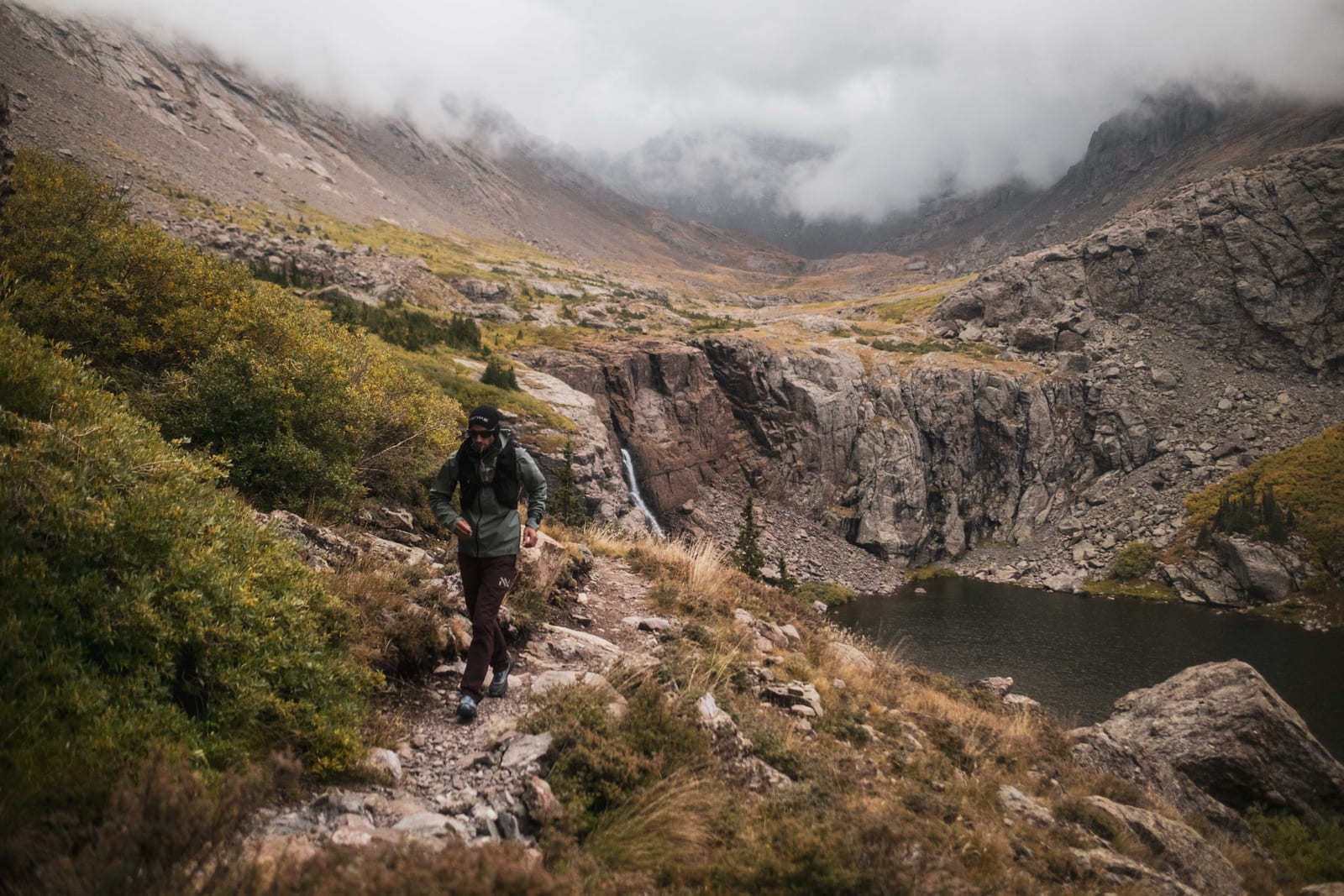
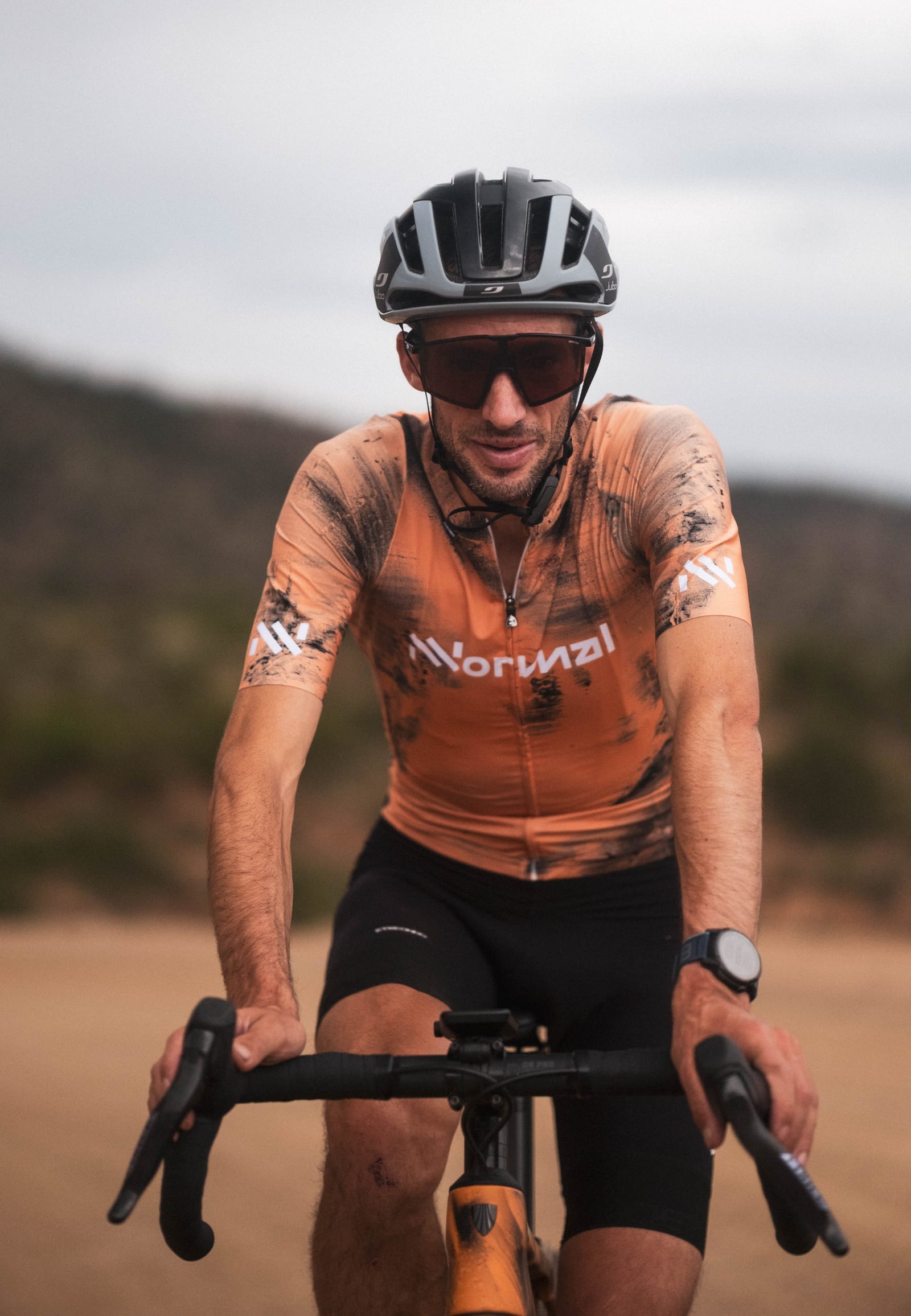
By that afternoon, Kilian Jornet had climbed fifty-six mountains in sixteen days, every one of them above fourteen thousand feet. He had covered one thousand nine hundred and forty-three kilometres on foot and by bicycle, climbing seventy-eight thousand metres along the way, which is almost nine times the height of Everest measured from the sea. He had been sleeping around four and a half hours a night. In the first two weeks he had three days of sun. And this was only the Colorado section of a project he called States of Elevation. Over the following fortnight he would ride west and finish the rest: every accessible fourteen-thousand-foot peak in the contiguous United States, seventy-two in all, across Colorado, California and Washington, in thirty-one days. By the time he stood on the summit of Mount Rainier on the fourth of October, he had moved more than five thousand kilometres under his own power. One newspaper did the arithmetic and found that he had completed, more or less, an ultramarathon and a stage of the Tour de France every day for a month.
When the media coverage came, it reached for the words the coverage always reaches for. Superhuman. GOAT. The greatest mountain athlete alive. They are easy words, and they do something quietly unhelpful. They file the achievement under miracle, and a miracle is nothing you can learn from. It is sealed off, admirable, and irrelevant to your Tuesday. So before reaching for it, it is worth looking at where Kilian Jornet actually came from, and at the two mountains he did not climb.
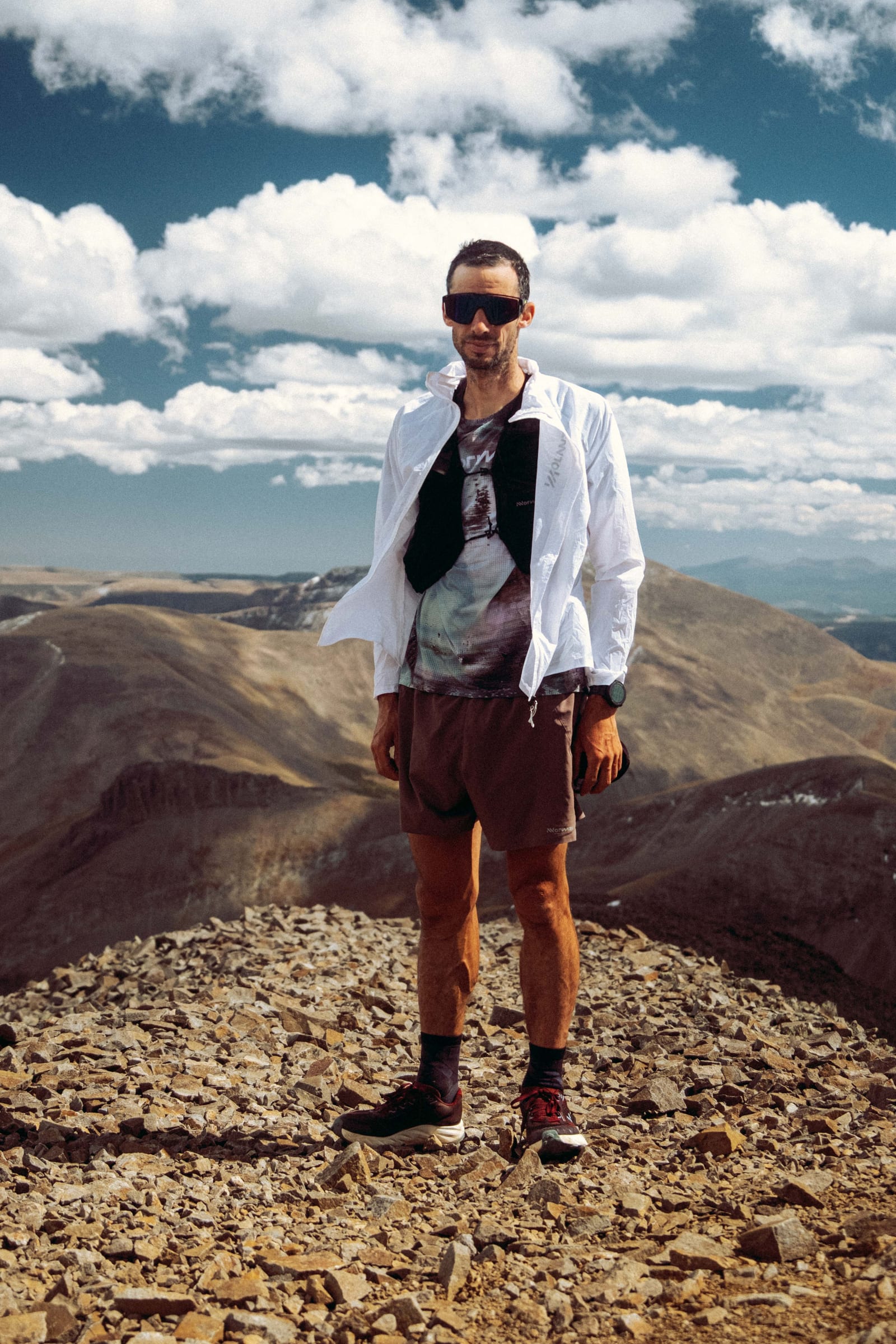
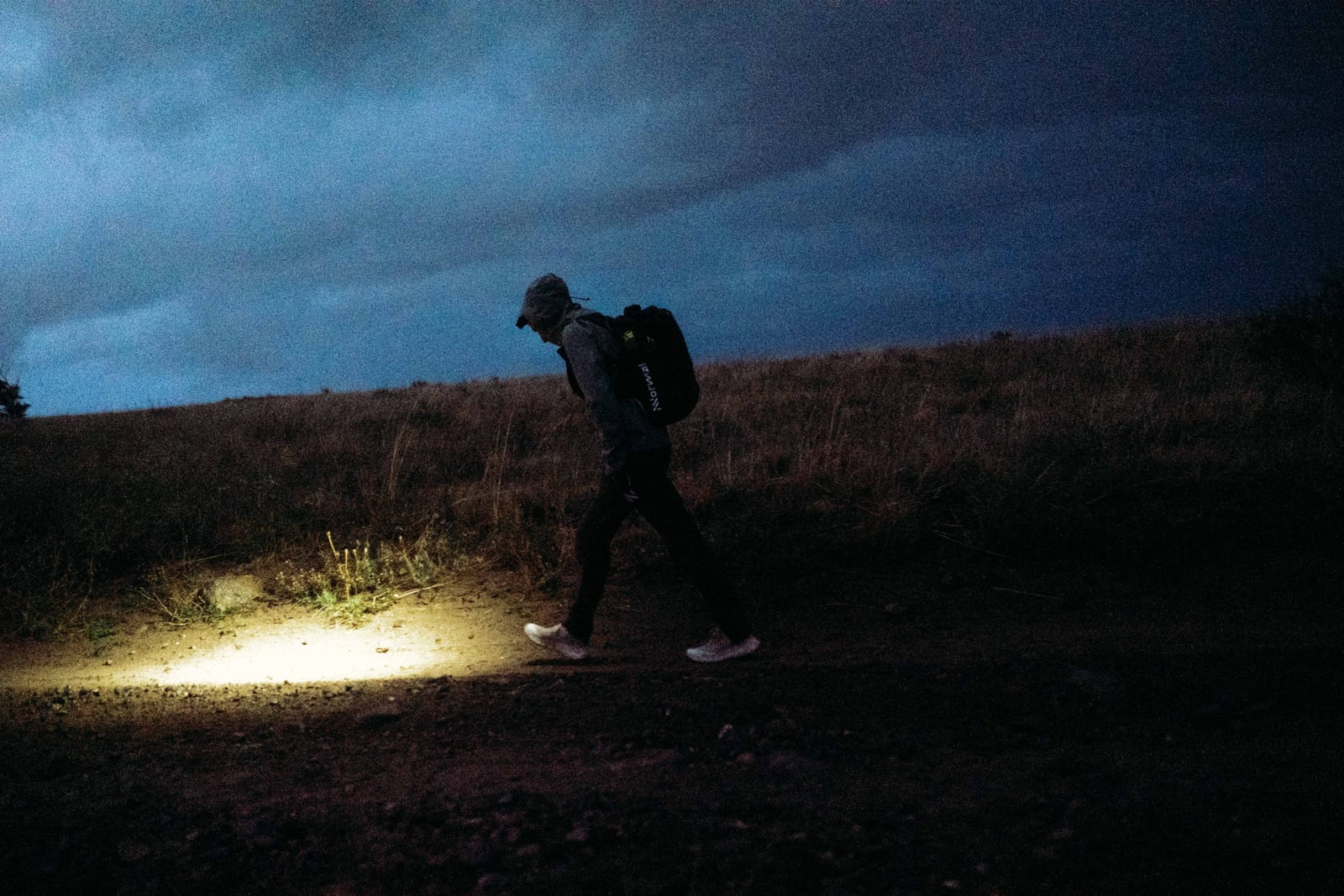
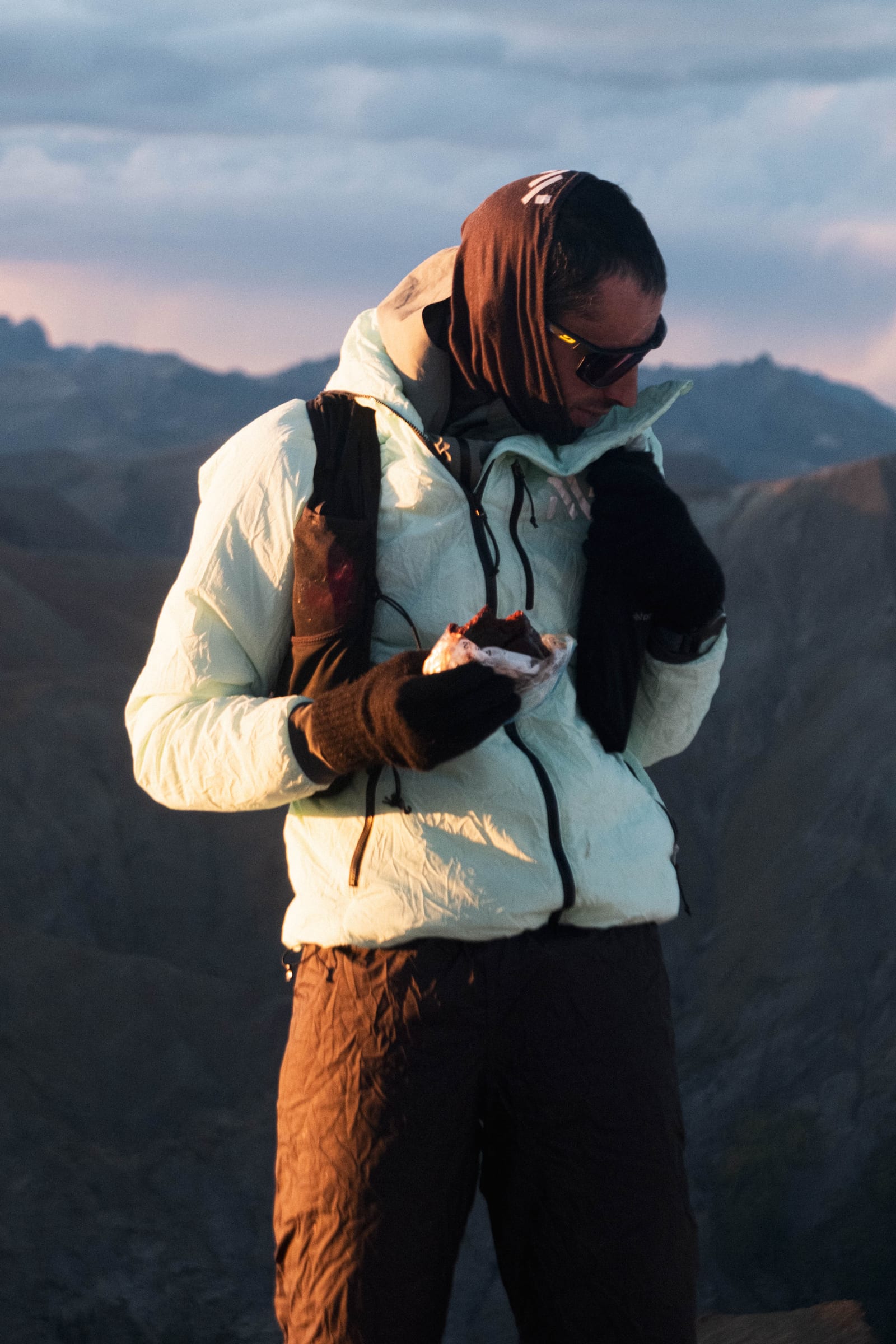
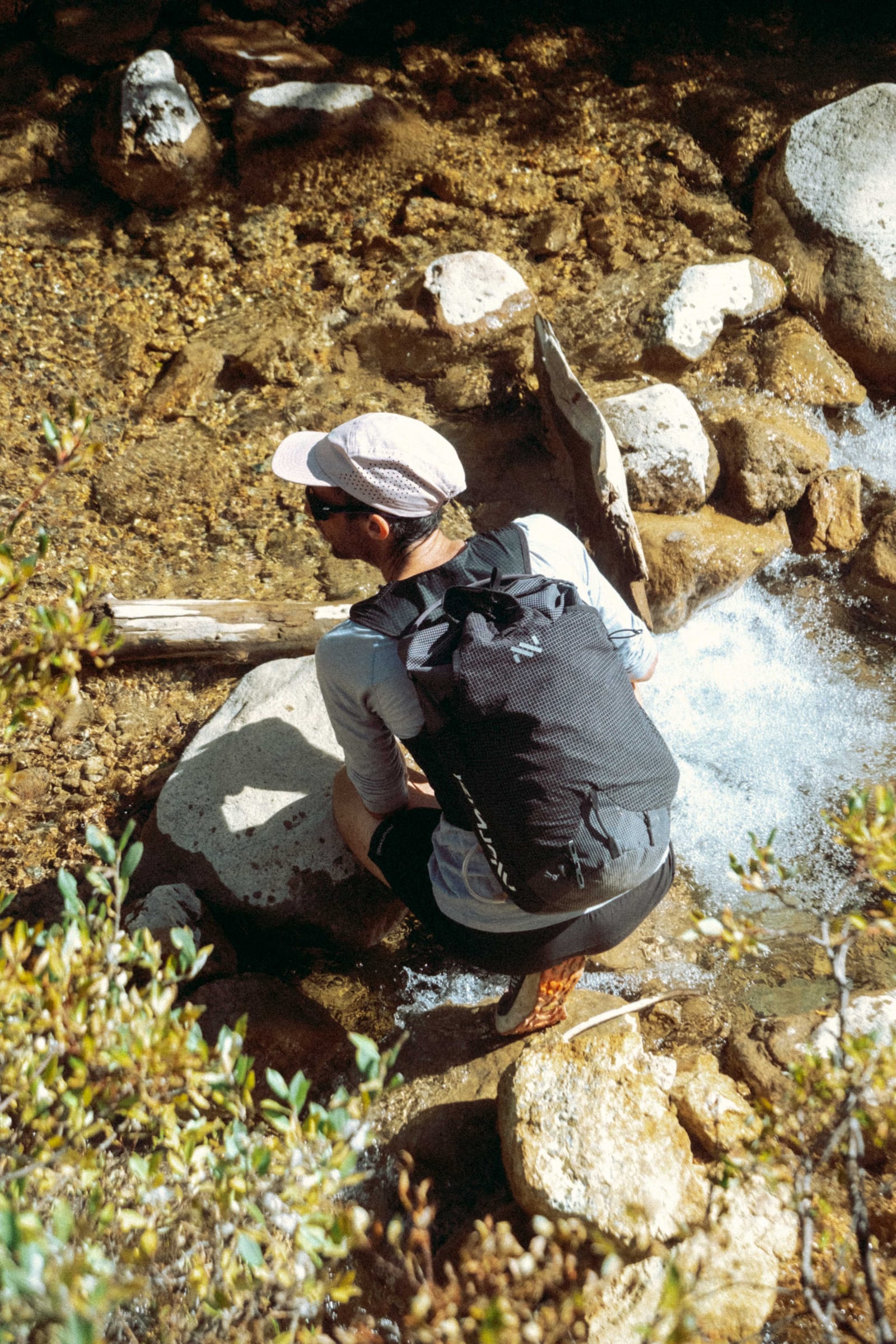
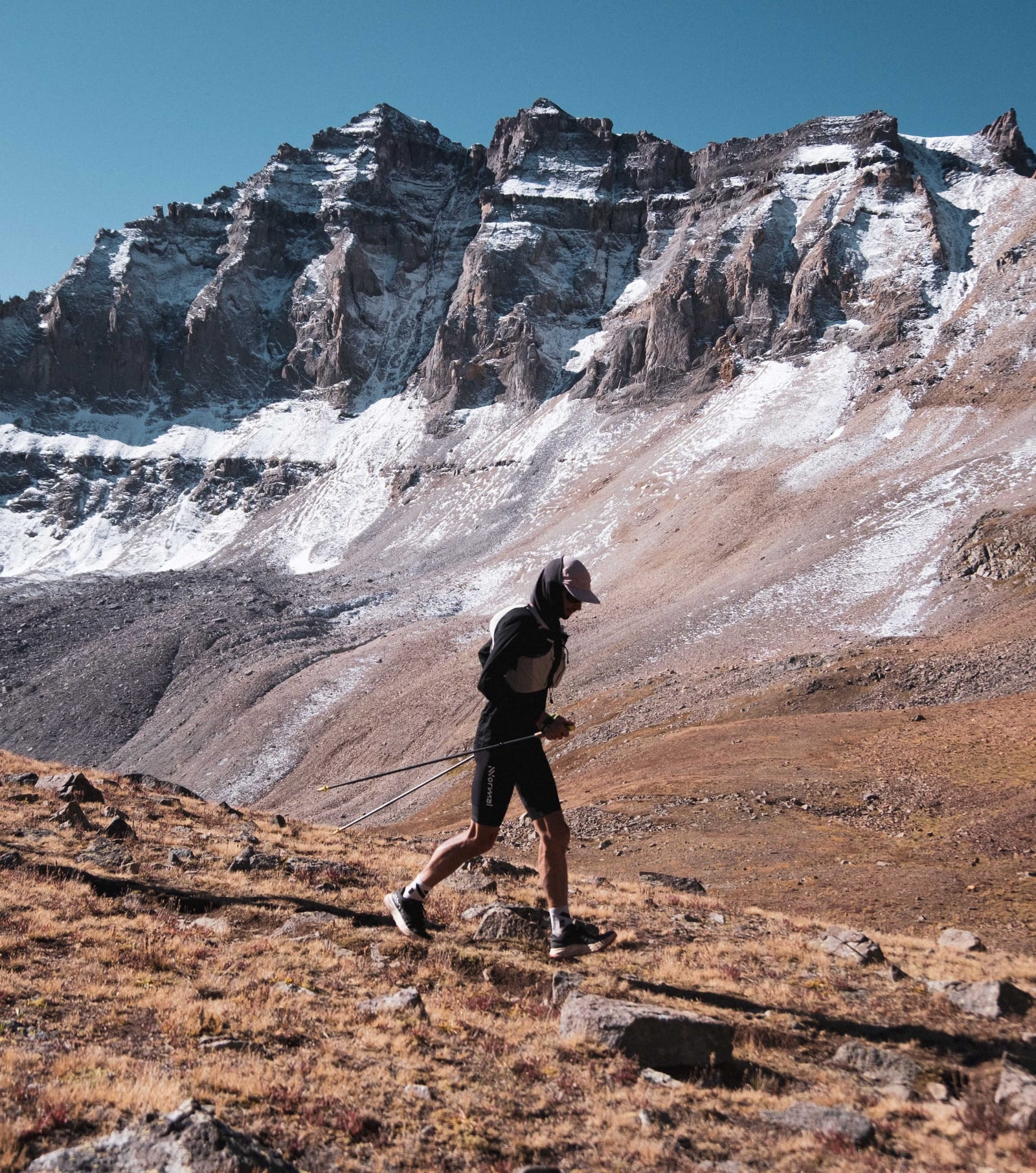
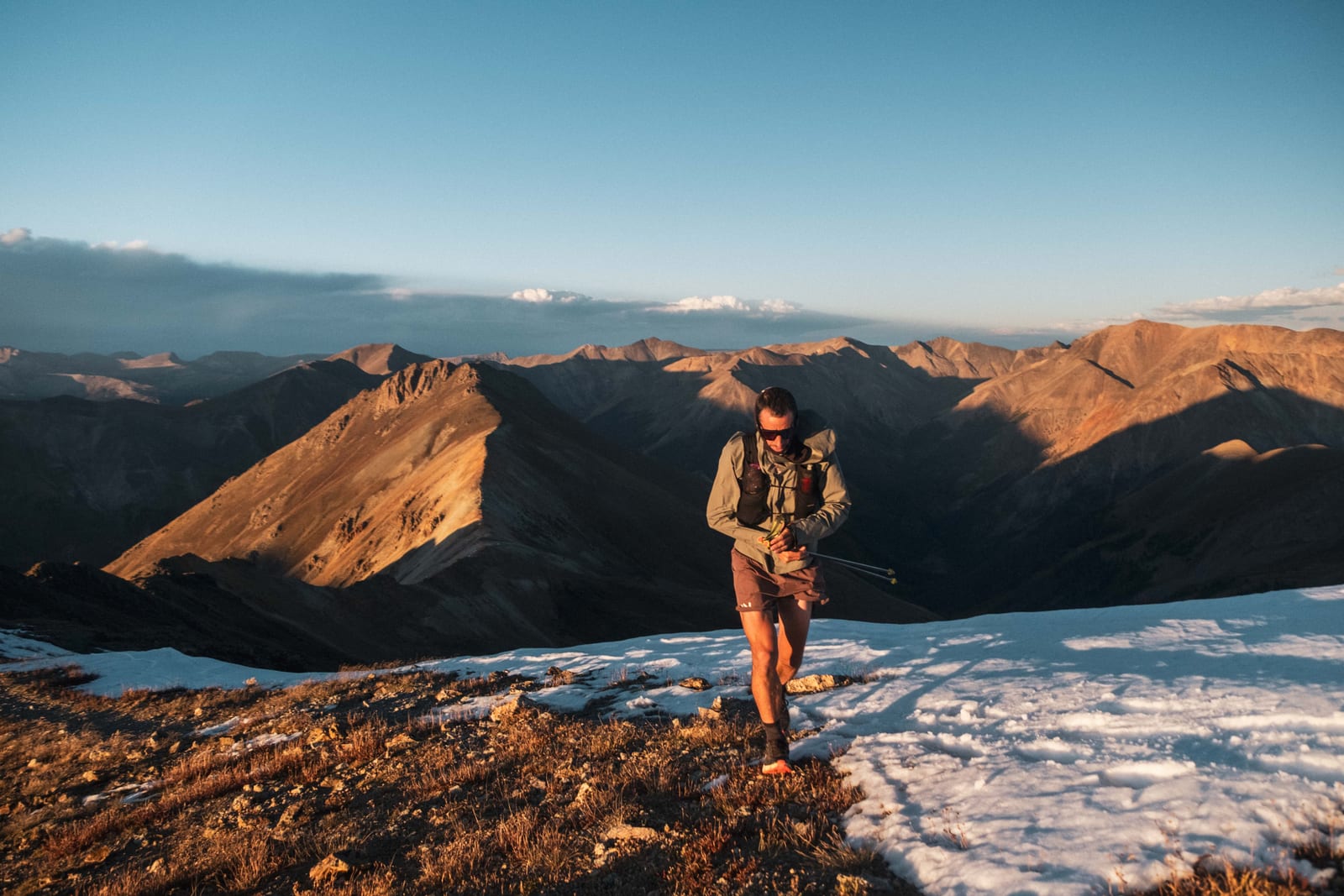
Jornet was born in 1987 in a mountain hut. Not near one. In one.
His father, Eduard, was the warden of the Refugi Cap del Rec, a refuge at two thousand metres in the Catalan Pyrenees, and a mountain guide. His mother, Núria Burgada, was a ski-mountaineering coach and the director of a small rural school. The family lived in the refuge. Jornet climbed his first three-thousand-metre peak at the age of three. He stood on the summit of Aneto, the highest mountain in the Pyrenees, at five. He climbed his first alpine four-thousander, the Breithorn above Zermatt, at six. He did not visit the mountains as a child. He lived inside them, surrounded on every side by the thing he would spend the rest of his life doing, until the family came down from the refuge when he was twelve.
This is the part the word superhuman hides. The sixteen days in Colorado were not the achievement. They were the visible inch of it. Underneath them sits a practice that began before Jornet could properly read and has not paused since. He joined a ski-mountaineering training centre at thirteen. He won three skyrunning world titles before he turned twenty-two. He has since won the Ultra-Trail du Mont-Blanc, the unofficial world championship of mountain running, four times; the Hardrock 100, a vicious loop through the Colorado San Juans, five times; and a single Basque mountain race, the Zegama-Aizkorri, eleven times.
The racing is only half of it. Away from competition, Jornet has spent two decades turning the mountains into a series of long, self-set problems. There was Summits of My Life, a project to set fast times on six of the world's iconic peaks, which ended with him climbing Everest twice in a single week in 2017. That project also held the thing the superhuman framing most wants to leave out. On its first outing, a traverse of the Mont Blanc massif in 2012, Jornet was climbing with his mentor, the ski mountaineer Stéphane Brosse, when a cornice gave way and swept Brosse off the mountain to his death. "Sometimes an instant is all that separates happiness from pain," Jornet wrote afterwards. He kept going back to the mountains. He has never pretended they are safe, or that the going back is free of cost.
"He kept going back to the mountains. He has never pretended they are safe, or that the going back is free of cost."
In the last three years the long projects have settled into a particular rhythm: one a year, every autumn, each a great range linked end to end under human power. The Pyrenees, his home range, in 2023. The Alps in 2024, where he climbed all eighty-two of the four-thousand-metre peaks in nineteen days, a route that had taken the formidable Ueli Steck sixty-two. The United States in 2025. States of Elevation was not a bolt from the blue. It was the next return.
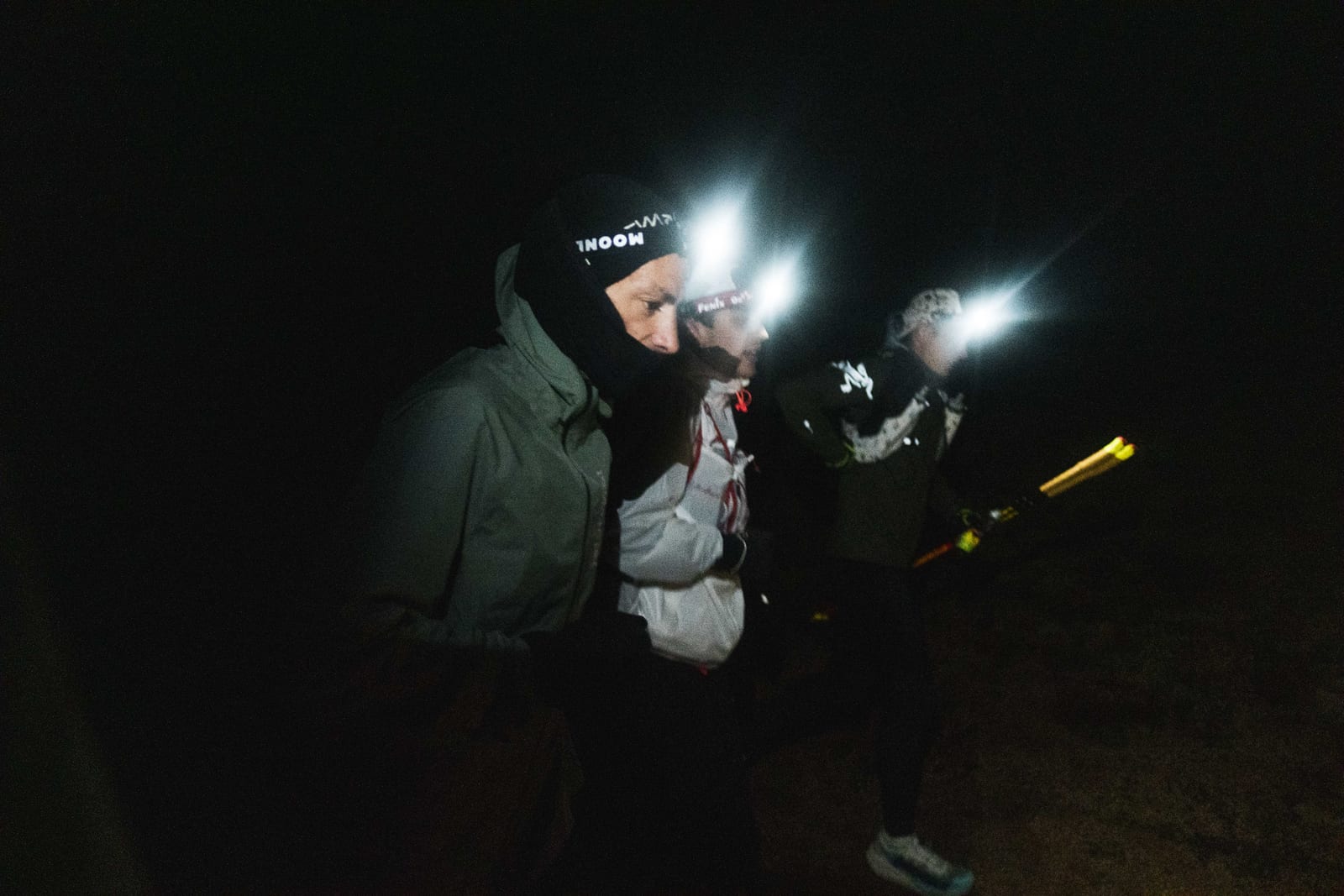
You can see the practice even inside the sixteen days, if you look past the totals to the texture. The first week was bad. Jornet arrived jet-lagged, went straight up high, and said afterwards that he felt terrible, the altitude and the travel sitting in his body for days while the weather refused to break. In the Sangre de Cristo range he set out alone after dark towards Humboldt Peak, met storm and snow and wind on the climb, made the decision to turn around, and was back at the support van by two in the morning. The next day, under clearer skies, he went back up and finished it. On a long transfer ride between ranges he stopped at the roadside to take a video call with his family. His phone died, the way phones do, and someone had to set up a replacement while he napped in the van and the rain came down. On the day he rode a hundred and sixty kilometres to the foot of Pikes Peak, more tired than usual, he did something his team rarely sees: he drank a coffee.
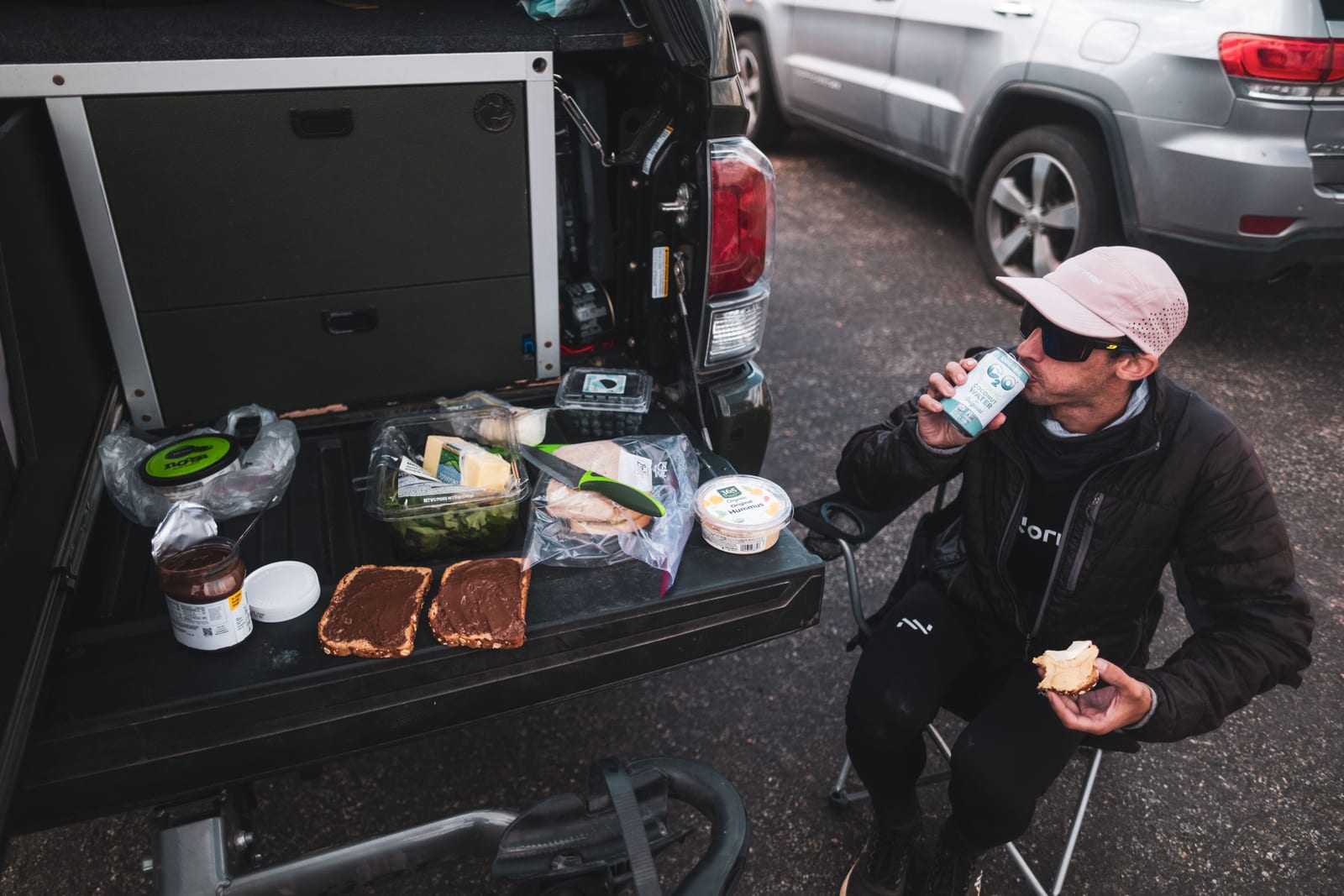
And then the first week broke. On the Elks Traverse, a serrated, technical chain of seven peaks that is one of the most committing linkups in the state, something turned. He had the route's own fastest-known-time holder, Simi Hamilton, with him at the start, and later the Olympic marathoner Ryan Hall. For twenty-one and a half hours he moved through the day, in his own words, strong from start to finish. The jet lag was gone. The body had caught up with the plan. It usually does, if you have spent thirty years teaching it how.
None of that is superhuman. All of it is recognisable. A bad week. A night that does not go to plan, followed by a morning that does. A dead phone. A coffee when you are running on empty. What is rare is not the parts. It is that Kilian Jornet has been assembling parts like these, in the mountains, on most days, for thirty years. The engine is rare. The mechanism underneath it is not rare at all. The mechanism is repetition, the willingness to return to one thing across decades until it becomes who you are, and repetition is not a gift. It is a decision, available to anyone, renewed daily or not renewed at all.
Here is the second thing the headline number leaves out. The list was not his either.
Colorado's fourteen-thousand-foot peaks, the "fourteeners," are not a route Jornet designed. They are one of the oldest communal projects in American mountaineering, and they were a list long before he was born. The first people known to have climbed all of them were Carl Blaurock and William Ervin, two Denver mountaineers who finished somewhere around 1923, working from a list of forty-six peaks, because forty-six was how many were recognised at the time. The Colorado Mountain Club has kept the register of "completers" ever since, for more than a century. There are a few thousand names on it.
What is worth sitting with is how those people climbed the list. A very small number, like Jornet, have done it fast, in a single sustained push; the fourteeners have their speed records and their small competitive subculture, and everyone in it knows it is a subculture. For the overwhelming majority of the few thousand completers, the list took years. For many it took decades. It was done one peak at a time: a long weekend here, a week of summer holiday there, a drive to a remote trailhead on a Saturday because the forecast had finally come good, the whole thing fitted into the cracks of jobs and mortgages and children and the rest of an ordinary life. For almost everyone who has ever finished it, completing the Colorado fourteeners is a project measured not in days but in chapters of a life.
And the list is not even finished being a list. The count has drifted across the hundred years, from the forty-six that Blaurock and Ervin used toward the fifty-eight recognised today, as surveying improved and as climbers argued, sometimes fiercely, over what counts as a separate mountain and what is only a high point on a neighbour's shoulder. In 2025 a mountaineer with precise satellite-survey equipment found a discrepancy of 3.6 inches that could, in time, promote a fifty-ninth. The Colorado Fourteeners Initiative, founded in 1994, exists to repair the trails that a century of boots have worn into the alpine tundra. The community that climbs the list also measures it, maintains it, and argues about it. It is not a static target. It is a living thing, tended in common, handed down through four generations of climbers.
Jornet knew all of this, and never pretended otherwise.
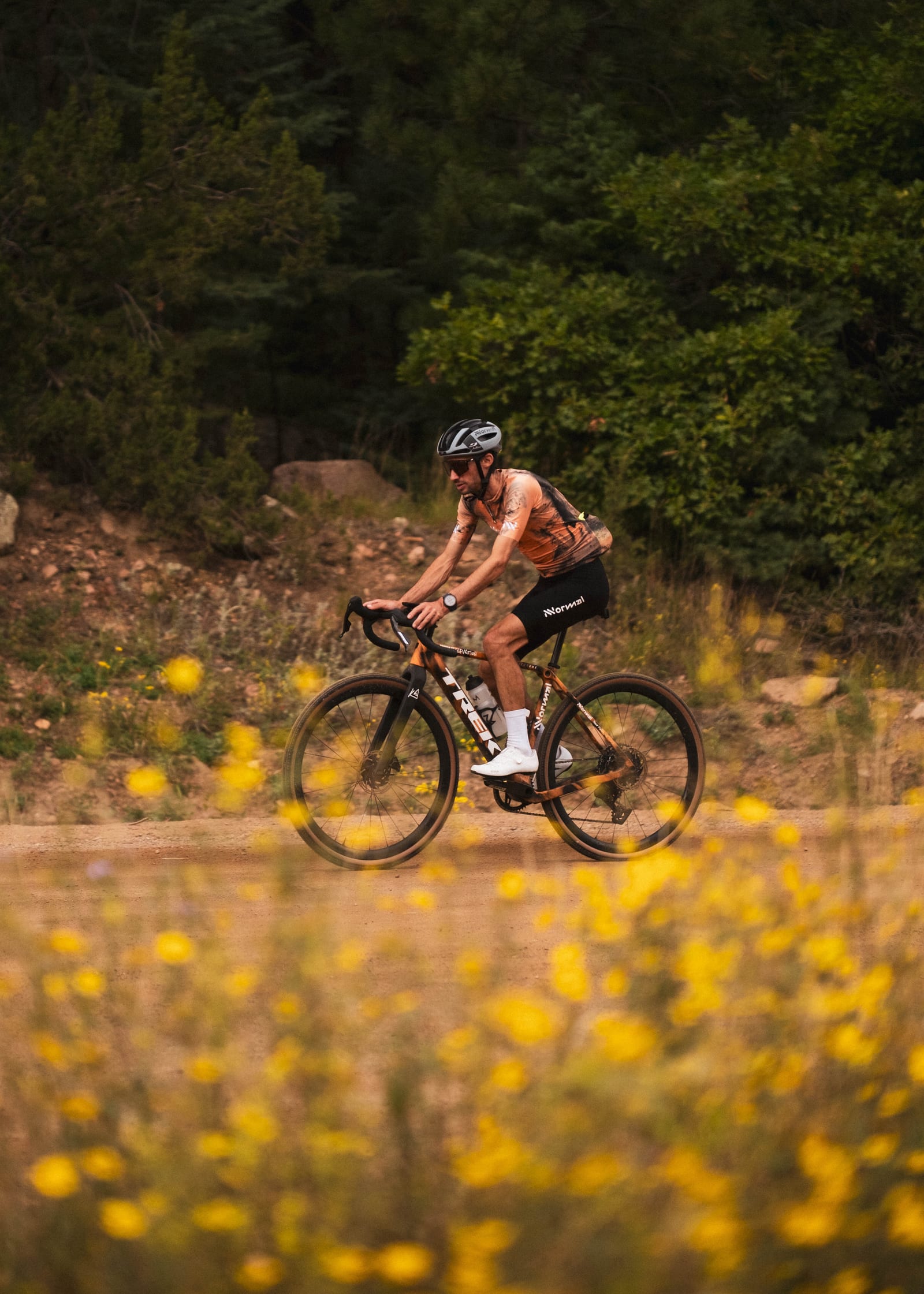
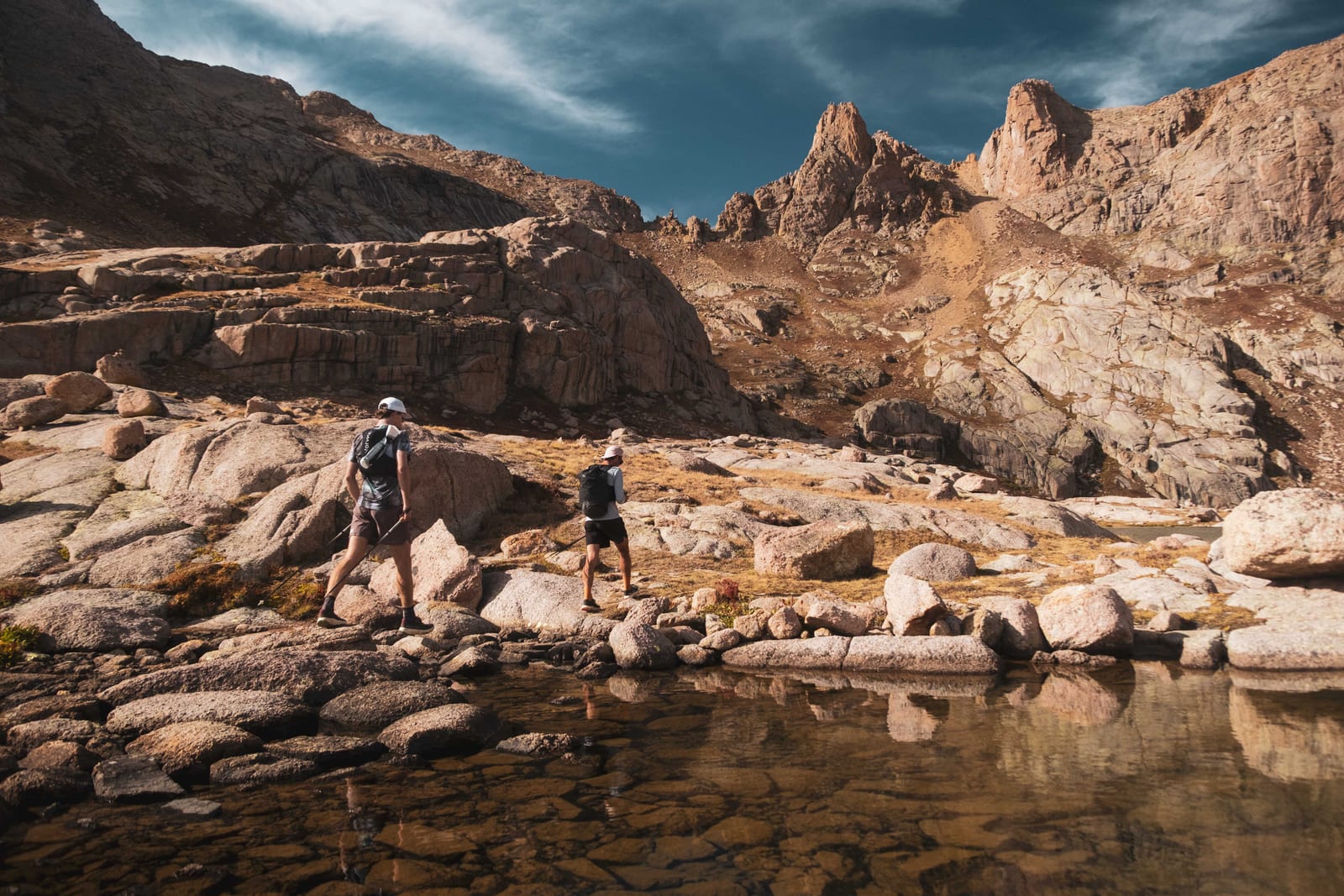
He was not even the first to link the Colorado fourteeners by bicycle. Justin Simoni did it in 2014, and Joe Grant in 2018, both of them self-supported, carrying their own food and shelter and finding their own way between trailheads. Jornet went faster, and he went with a small support team and a rotating cast of friends, dozens of them across the sixteen days, who came out to ride a transfer with him, or share a ridge, or walk him through a range that was their home and not his. Joe Grant, who had linked the peaks himself seven years before, came out to join him for the final push into the Chicago Basin.
There was a second layer to the company. Alongside the route, Jornet's foundation ran events in the towns the project passed through, community runs and trail-restoration days and gatherings about the care of the land; more than five hundred people took part. When Jornet was asked what the project was actually for, he did not talk about the peaks. He talked about this. Community, he said, is strongest when it is built naturally, through shared experience in wild places. The list he was crossing so quickly is, and always has been, a thing people do together and hand on. He moved through a hundred-year-old communal practice at speed, and in good company, and he knew that he was borrowing something far older and larger than himself.
Which brings us back to the gap. Fifty-six, not fifty-eight.
The two mountains Jornet did not climb are Culebra Peak and Mount Bross. He did not skip them because they were too hard, or too remote, or too dangerous; by the standard of the Elks Traverse or Nolan's 14, both of which he did climb, Culebra and Bross are ordinary. He did not climb them for one reason: alone among Colorado's fifty-eight fourteeners, these two are not freely open to the public. Those two exceptions are the part of the story that almost none of the coverage stopped on. They are also the most revealing part of it, because each one is a different answer to a question the other fifty-six never have to ask. Who does a mountain belong to?
Culebra Peak rises inside the Cielo Vista Ranch, around seventy-seven thousand acres of the San Luis Valley in southern Colorado. Since 2017 the ranch has belonged to William Harrison, an heir to one of the largest oil fortunes in Texas, who bought it after it was listed for around a hundred and five million dollars. You can climb Culebra, but not the way you climb the other fifty-seven. You reserve a place in advance, on set weekend dates between January and late July, and you pay a fee that runs to about a hundred and fifty dollars. You arrive at a gate that opens at six in the morning and closes at quarter past. By August the mountain is shut for the hunting season, and it stays shut to the end of the year. Jornet rode through Colorado in September. The gate was closed before he reached the valley. But the gate is not the real strangeness.
The real strangeness is underneath the deed. The land Cielo Vista sits on was a Mexican land grant, the Sangre de Cristo Grant, made in 1844, decades before Colorado was a state or even a territory, to draw settlers into a hard and contested valley. The families who answered that call, and their descendants, around five thousand of them across some six thousand parcels of land today, hold a legal right to use the high country they call La Sierra: to graze their livestock on it, to gather firewood and timber from it. That right is older than the United States' presence in the valley. It survived the land being fenced and sold. It survived owner after owner trying to lock the gates against the people who had always used the mountain. In 1960 a North Carolina lumberman named Jack Taylor bought the ranch and fenced it, locking the valley's families out of ground they had used for generations. They organised, and in 1981 they sued. The case, Lobato v. Taylor, became one of the longest-running civil disputes in Colorado's history. In 2002 the Colorado Supreme Court affirmed the families' rights. And it is still not finished. Harrison began building an eight-foot fence around the ranch in 2020, and in May 2026 a court-appointed special master ruled on his latest request, a buffer zone around his new seven-thousand-square-foot house. The families kept the right to graze their sheep across the contested ground. They lost the right to gather firewood within two hundred and thirty-three acres of his door. Their lawyers had pointed out, during the hearing, that the buffer he was asking for was larger than the restricted zones around the White House and the Vatican combined.
One of the people who carried that fight is a woman named Shirley Romero-Otero. She began researching the valley's original homesteaders when she was twenty years old, and she was still at it past sixty. She spent her entire adult life establishing, in a courtroom, in law, something her family had never for one moment doubted: that the mountain was theirs. "All my adult life," she told a reporter, "I've been [fighting] for our rights to La Sierra."
"All my adult life," she told a reporter, "I've been fighting for our rights to La Sierra."
So Culebra holds two kinds of belonging at once, and they do not match. There is the belonging written on the deed, the kind a man can buy for a hundred and five million dollars and a signature. And there is the older kind, the kind a hundred and fifty dollars will rent you a single day beside but can never sell you, the kind that no owner across nearly two centuries has managed to buy out from under the families who hold it, or to extinguish, however hard some of them tried.
Mount Bross is closed in a different way, and the difference matters. Bross has been off-limits since 2005. There is no single owner to negotiate with, and no single gate that, opened, would solve it. The summit of Bross and the ground around it is a patchwork of old private mining claims, dozens of them, staked generations ago when the Mosquito Range was silver country, and now held by people who are difficult even to identify, let alone to locate, let alone to gather into one room. To reopen the summit legally would require the unanimous agreement of every one of them, and that agreement simply cannot be assembled. It is not for want of trying. One claim holder spent years working with the Colorado Mountain Club, the Fourteeners Initiative and the town of Alma to protect what access could be protected, and built a trail across his own ground, though the trail cannot reach the top, because the top is not his to give. The two neighbouring peaks, Lincoln and Democrat, were reopened through exactly that kind of patient, unglamorous negotiation, with the town of Alma leasing the ground around the three peaks to keep a public route open. Bross stayed shut. Nobody took its belonging away. It was simply broken, long ago, into too many small pieces, and a thing broken into enough pieces cannot always be put back together.
A man who was not born superhuman but made, slowly, over thirty years, inside the mountains. A list that is less a record than a hundred-year-old practice, held and tended in common, and still being argued into its final shape. And two mountains that are not footnotes but the clearest case in the whole story of what is actually at stake on a piece of high ground. Set the three of them down next to each other, and they stop looking like three stories. They are one.
Jornet's claim on the mountains is thirty years deep, built a day at a time since before he could read. The completers' claim on the list is years apiece, a century in the aggregate, built a long weekend at a time. The San Luis Valley families' claim on La Sierra is a hundred and eighty years old and still being carried, hand to hand, down a family line. Every real form of belonging in this story is made of the same material, and the material is time. It is accumulated. It is returned to, in good weather and bad, when it is convenient and when it is not. It is, in the oldest sense of the word, earned, or else it is inherited from people who earned it and is now being kept.
And the one thing the headline celebrated, the thing that made it news, is the single variable that has nothing to do with any of that. Speed. Sixteen days. How fast a person crossed ground that other people have been crossing, and maintaining, and arguing over, and handing down, for a century and more. There is nothing wrong with being fast. Jornet's speed is a marvel, and he has earned it across the same thirty years as everything else. But speed is not the currency that belonging is paid in, and the story keeps quietly insisting on the difference. A permit can sell you access to a summit for a day. A deed can move a title from one name to another. A record can time your crossing to the second. Not one of those things can manufacture belonging. And the families on La Sierra are the standing proof of the other half of it: not one of those things can take belonging away, either.
Jornet, for his part, seems to understand this better than most of his coverage did. When he finished, he was at pains to say it had not been a race, and he did not describe it as a record. He called it "a way to discover places that have become very special to me." Special is a slow word. It does not arrive in sixteen days, or in thirty-one. It was the thing the stranger on Windom Peak already had: a man miles from the nearest road, unhurried, entirely at home on a remote mountain, with food in his pocket and time to spare for whoever he happened to meet up there. Nobody had measured how fast he reached the summit. It would not have told you anything worth knowing. He belonged to that mountain, and belonging does not show up on a clock.
"He belonged to that mountain, and belonging does not show up on a clock."